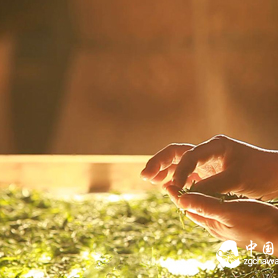
Little Yellow Tea, Actually Has Such Great Effects!!
Yellow tea is characterized by its 'yellow leaves and yellow soup,' a result of the unique 'menhuang' (smothering and yellowing process during production. It is categorized into Huangya Tea, Huangxiao Tea, and Huangda Tea based on the tenderness of the fresh leaves. The key step in making yellow te...
Tea News · Feb 06, 2026

Washing Your Face with Green Tea Water Helps Wash Away Aging
Washing your face with green tea water can help combat signs of aging. Green tea is rich in tea polyphenols, which清除有害自由基 and inhibit lipid peroxidation. The tannic acid in green tea also helps prevent wrinkles. A Japanese study confirmed that using green tea water to wash your face has better anti-...
Tea News · Feb 05, 2026
Green Tea Knowledge: Brewing and Drinking Green Tea
Green tea has become an integral part of modern life, valued for both its taste and health benefits. This article provides a comprehensive guide to green tea, covering proper brewing techniques, major varieties, and its numerous health advantages. The correct brewing method is crucial to maximize fl...
Tea News · Feb 05, 2026
Oolong Tea and Its Characteristics
Oolong tea, also known as Qingcha or semi-fermented tea, is a uniquely distinctive category among China's major tea types. It combines the production methods of green tea and black tea, offering a quality that lies between the two—possessing the rich, robust flavor of black tea and the fresh, aromat...
Tea News · Feb 04, 2026
Maggu Tea is exceptionally fresh and fragrant, why is it also called Immortal Tea?
Maggu Tea, named after Maggu Mountain, has a legendary origin tied to the immortal Maggu. It is said that the immortal maiden Maggu, who attained enlightenment here during the Eastern Han Dynasty, often picked tender tea leaves and brewed them with the clear, sweet spring water from Shengong Spring...
Tea News · Feb 04, 2026
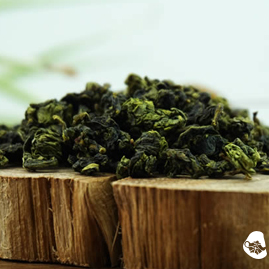
Unveiling the Four Major Production Methods of Anxi Tieguanyin: Zhengchao, Huiqing, Xiaoqing, Tuobu
Anxi Tieguanyin, one of China's top ten famous teas, is renowned for its meticulous and skillful production process. It combines the techniques of green and black tea production, resulting in a unique character that lies between the two. It possesses the rich flavor of black tea and the fresh, fragr...
Tea News · Feb 04, 2026
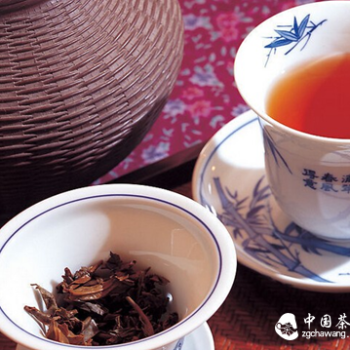
What tea is fresh and fragrant? What tea is strong and intense?
Teas can be broadly categorized based on their taste profiles into fresh/fragrant types and strong/intense types. Fresh and fragrant teas, such as Dongting Biluochun and Mengding Ganlu, are known for their clear, refreshing aroma and brisk, sweet taste, typically made from tender leaves processed pr...
Tea News · Feb 03, 2026
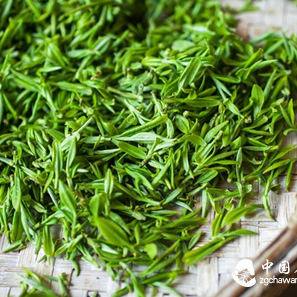
Six Questions About 'Pre-Qingming Tea'
'Pre-Qingming Tea' refers to tea leaves picked and processed before the Qingming Festival in the Jiangnan tea region of China's Yangtze River basin. It is primarily green tea, with some black tea. Due to low pre-Qingming temperatures, tea trees grow slowly, resulting in low yield but high quality. T...
Tea News · Feb 03, 2026
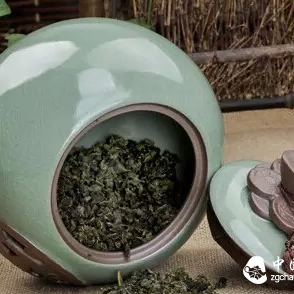
Clever Tea Storage for Longer Preservation
Tea is highly susceptible to moisture and odors, and under conditions of high temperature, humidity, sunlight, and ample oxygen, its internal components deteriorate rapidly, lowering quality and accelerating spoilage. Proper storage is crucial, especially for valuable new-harvest green teas and aged...
Tea News · Feb 03, 2026
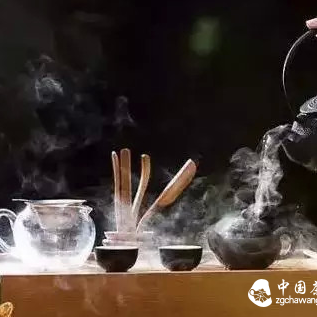
Is Good Tea Afraid of Boiling Water?
In the world of tea, there is a school of thought that recommends brewing tea with boiling water (close to 100°C . This raises the question: is good tea truly unafraid of boiling water? The article explores this by category. Aged teas like Pu'er and dark teas stored for over 10 years require boiling...
Tea News · Feb 02, 2026