Do You Know That the Optimal Tea Brewing Time Is Sixty Seconds?
Tea enthusiasts often believe that tea should be brewed until it develops color to taste smooth and to fully extract its nutrients. But is this true? Data provides insight. Professor Ma Zhaoli from the Qingdao University Chemical Experiment Center conducted a test using Tieguanyin tea as a sample. B...
Tea News · Mar 10, 2026
How Much Do You Know About China's Seven Major Tea Categories?
China's tea culture is profound, with teas traditionally categorized into seven major types based on processing methods and fermentation levels: Green Tea (unfermented , Black Tea (fully fermented , Oolong Tea (semi-fermented , Yellow Tea (lightly fermented , White Tea (minimally fermented , Dark Te...
Tea News · Mar 10, 2026
100 Questions on Tea Knowledge Encyclopedia? A Must-Read for Tea Enthusiasts
This article serves as a comprehensive tea knowledge encyclopedia, answering 100 essential questions for tea enthusiasts. It systematically introduces the definition, characteristics, classification, and representative varieties of major tea categories, including green tea, black tea, and oolong tea...
Tea News · Mar 08, 2026
Do You Really Know the Most Authentic Spring Tea?
The article clarifies common misconceptions about spring tea, emphasizing that earlier harvest does not necessarily mean better quality. It explains that the optimal picking time varies by region, such as West Lake Longjing in early April and Yiwu Pu'er after Qingming. The pursuit of early tea has l...
Tea News · Mar 07, 2026
Explanation of the Differences Between Huoshan Yellow Bud and Green Tea
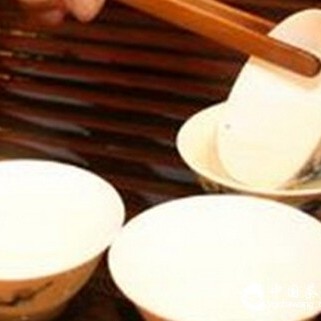
Huoshan Yellow Bud is a type of yellow tea, not green tea. The key distinction lies in the 'menhuang' (smothering and yellowing process, which breaks down chlorophyll in the leaves and oxidizes phenolic compounds. The degree of oxidation determines the level of yellowing. Techniques vary: some teas...
Tea News · Mar 07, 2026

What tea is good to drink in a sedentary office? Let's take a look!
For office workers who spend long hours in front of computers, choosing the right tea can help combat radiation effects and improve overall well-being. Green tea is rich in antioxidants that fight free radicals and relieve stress. Goji berry tea benefits eye health, reducing strain from screen time....
Tea News · Mar 05, 2026
You Must Break These Bad Habits When Drinking Tea!!!
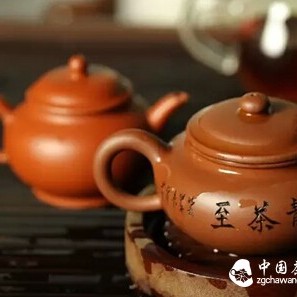
While drinking tea can promote health, it's crucial to remember that there are also taboos associated with it. Developing bad tea-drinking habits can lead to adverse effects. Key points to avoid include drinking tea on an empty stomach, which can dilute gastric juices and cause dizziness or weakness...
Tea News · Mar 04, 2026
Office Workers Combat Radiation by Drinking More Tea: 4 Cups a Day
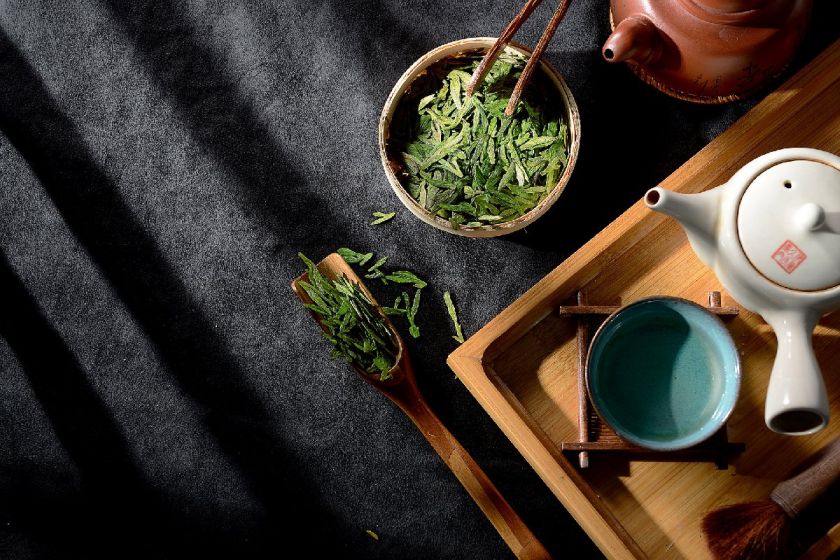
In modern society, with air pollution, water quality degradation, and changing dietary habits, various toxins accumulate in the body and cannot be naturally metabolized and expelled. Over time, this leads to various sub-health conditions. If not properly addressed, these may develop into illnesses....
Tea News · Mar 04, 2026
【Tea Knowledge: Tea Classification】6 Types of Commercial Tea
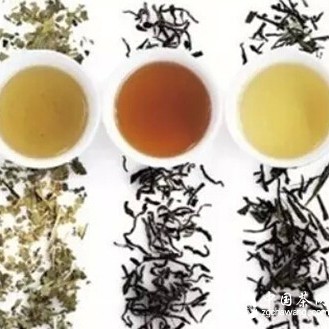
Chinese tea is primarily classified into six major categories based on processing methods and fermentation levels. Green Tea, the earliest tea type, is unfermented, known for its fresh, vegetal flavor and health benefits. Black Tea is fully fermented, characterized by its red liquor and robust, malt...
Tea News · Mar 04, 2026
How to Drink Tea for Benefits Without Harm
Traditional Chinese Medicine suggests that different teas possess varying properties, such as cooling or warming. To maximize benefits and avoid harm, it's crucial to choose teas that match one's physical constitution and be aware of potential 'pitfalls.' For instance, individuals with a heaty const...
Tea News · Mar 03, 2026