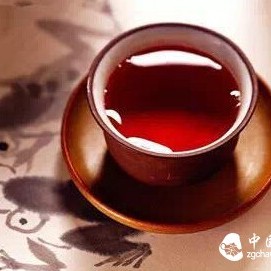
Are You Brewing These Four Types of Tea Correctly?
Tea is categorized into types such as White Tea, Green Tea, Oolong Tea, Black Tea, and Dark Tea. Each type differs not only in flavor but also in brewing method, requiring careful attention to steeping time and teaware. This article introduces the characteristics and proper brewing techniques for fo...
Tea News · Mar 31, 2026
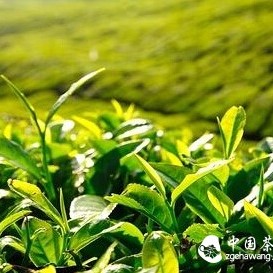
Can Drinking Tea Protect the Heart?
Increasing evidence suggests that tea is a beneficial beverage for heart health. Research indicates that regular consumption of green tea and black tea can lower bad cholesterol and blood pressure levels. Drinking more than two cups of green tea or four cups of black tea daily may help prevent strok...
Tea News · Mar 30, 2026
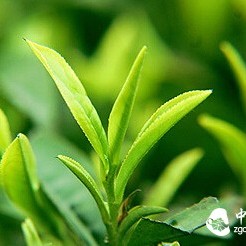
Green Tea with Honey is a Good Remedy for Anti-inflammatory and Soothing Throat
For patients suffering from chronic pharyngitis and tonsillitis, which often recur over a dozen times a year with symptoms like sore throat, swelling, hoarseness, pain when swallowing, and sometimes fever, a simple and effective remedy is introduced. The method involves drinking a mixture of green t...
Tea News · Mar 29, 2026
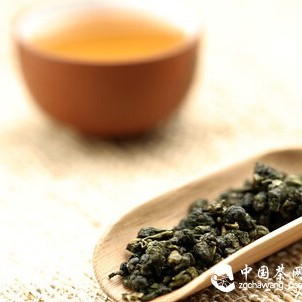
How to Choose the Tea That Suits You: Characteristics of Common Types of Tea
Common teas are mainly categorized into green tea, light tea (including oolong tea, tieguanyin, dahongpao , black tea, and dark tea (pu-erh tea , generally classified by increasing fermentation level. Green tea and tieguanyin are considered cool-natured due to low fermentation; oolong tea and dahong...
Tea News · Mar 29, 2026
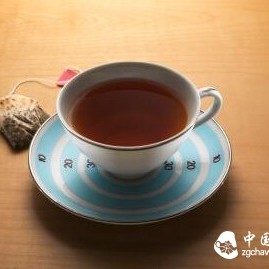
Which is more beneficial for health, tea or coffee?
Some people can't wake up without a cup of coffee in the morning, while others prefer to start their day with the aroma of tea. Tea and coffee each have their own benefits and risks for health. Tea helps prevent type 1 diabetes and reduces the risk of obesity, heart disease, and cancer. However, tea...
Tea News · Mar 29, 2026
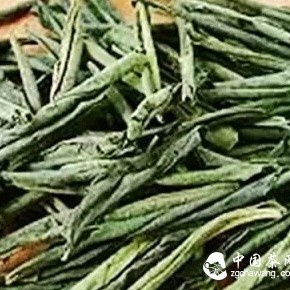
China's Number One Tea
The article explores China's renowned green teas, focusing on Longjing Tea from West Lake's Lion Peak as the premier choice, historically favored by emperors. It details how to appreciate green tea's clear broth, green leaves, and unique astringency. Other highlights include Biluochun's legendary or...
Tea News · Mar 28, 2026
Interesting Little Knowledge About Tea
This article shares several interesting pieces of knowledge about tea tasting and selection. It explains the concept of 'water path' in tea drinking, which refers to the sensation felt in the swallowing passage when consuming tea broth. It also provides methods to distinguish between spring tea and...
Tea News · Mar 26, 2026
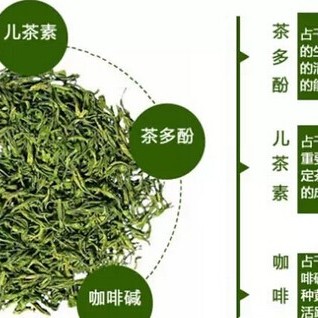
What is the Nutritional Value of Tea?
Tea contains a rich array of nutrients and health-promoting compounds. Analysis shows tea leaves contain up to 500 different compounds, including essential nutrients like vitamins, proteins, amino acids, and minerals, as well as bioactive components such as tea polyphenols and caffeine. Drinking tea...
Tea News · Mar 26, 2026
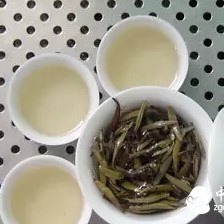
Processing Technology of White Tea
White tea is a lightly fermented tea (fermentation degree 10%-20% with a unique manufacturing process primarily consisting of withering and drying. Its distinctive feature of dense white down on the surface is achieved by using tender buds and leaves rich in fine hairs and employing a sun-drying or...
Tea News · Mar 24, 2026

Rose Tea for Colds: 5 Health-Preserving Teas with High Efficacy
Rose tea is not only a fragrant beverage but also a traditional remedy with multiple health benefits. It is known for relieving cold symptoms, regulating mood, and alleviating menstrual discomfort. This article highlights five health-preserving teas: rose tea for soothing emotions and aiding digesti...
Tea News · Mar 21, 2026