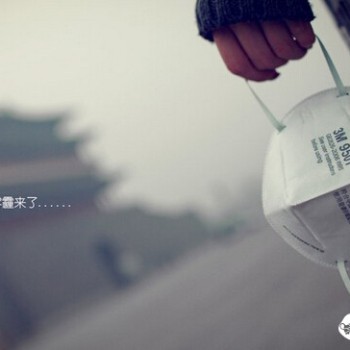
Caught in the “PM Siege,” Have a Cup of Clear Tea to Moisturize Your Lungs!
Due to widespread haze, tiny particles in the air can harm respiratory health and even cause lung cancer. Drinking tea, especially in the afternoon, can help clear the lungs and soothe the throat. Several traditional Chinese tea remedies are recommended for their detoxifying and moisturizing effects...
Tea News · May 28, 2026

Tea for Health: Drink Dark Tea at Night to Strengthen Intestinal Flora Activity
Tea is generally divided into three types: green tea, black tea, and dark tea. Dark tea, due to its longer storage time, contains many probiotics. Drinking dark tea at night can help strengthen intestinal flora activity, promote digestion, and does not easily affect sleep. Green tea is suitable for...
Tea News · May 26, 2026
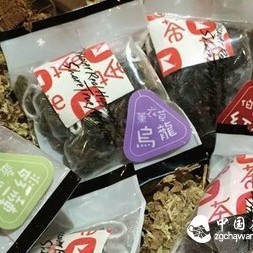
Tea Knowledge: The Past and Present of Tea Bags
In 1908, New York importer Thomas Sullivan used small silk bags to hold tea samples. A customer steeped the whole bag, creating the first tea bag. Today, tea bags are popular among office workers and young people due to their convenience. Each American drinks over 4 cups of tea daily, 96% of which i...
Tea News · May 25, 2026
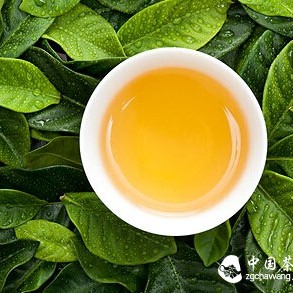
Tea: The Darling of Medical Healthcare
Tea is a natural health beverage. Studies show that drinking tea can quench thirst, aid digestion, remove phlegm, improve eyesight, promote diuresis, relieve irritability, reduce greasiness, prevent cancer, refresh the mind, and prolong life. It contains polyphenols that block carcinogen formation,...
Tea News · May 25, 2026
The Truth! There Is Actually Only One Type of Tea
Tea classification is fundamentally determined by processing methods, with fermentation degree being a crucial indicator. There are six main categories: green tea (0% fermentation , black tea (100% fermentation , oolong tea (10%-70% fermentation , white tea (10% fermentation , yellow tea (10% fermen...
Tea News · May 23, 2026
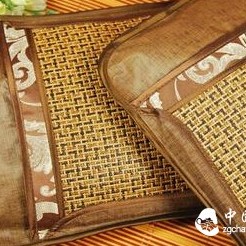
Teach You How to Make a Healthy Tea Pillow at Home
The article introduces a method for making a healthy tea pillow at home. It recommends using leftover tea leaves such as green tea, white tea, yellow tea, or oolong tea, and drying them in a cool, ventilated place rather than under direct sunlight. The pillowcase should be made of cotton or silk, wi...
Tea News · May 22, 2026
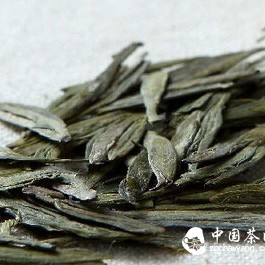
How to Distinguish Spring Tea, Summer Tea, and Autumn Tea?
Spring, summer, and autumn teas are primarily distinguished by seasonal changes and the intermittent growth of new shoots on tea plants. Due to variations in climate, variety, and cultivation management, the harvesting period for each season differs. Spring tea is generally considered the highest qu...
Tea News · May 20, 2026
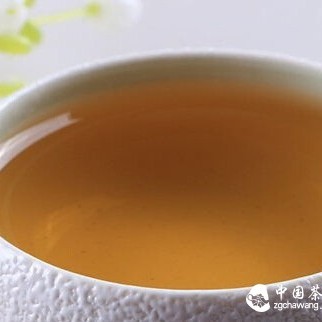
Is There “MSG” in Tea Soup?
The most abundant amino acid in tea soup is theanine, accounting for more than half of the total amino acids. Theanine provides a fresh and umami flavor similar to MSG. Fresh teas, especially green and white teas made from tender buds, have higher theanine content. Theanine also helps boost immunity...
Tea News · May 19, 2026
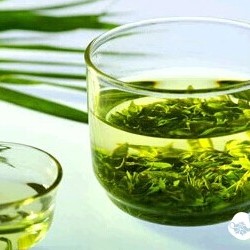
Tea Internal Components — Catechins
Catechins are the main components of tea polyphenols, accounting for 12%–18% of the dry matter of tea leaves and 70% of total polyphenols. The antioxidant property of tea is attributed to these polyphenols. The content of catechins directly affects tea quality, with high-quality green tea retaining...
Tea News · May 18, 2026

Health and Wellness: Why Tea Can Counteract Tobacco Toxins
Smoking harms health by introducing nicotine, which constricts blood vessels, reduces oxygen supply, and depletes vitamin C. Green tea can help replenish vitamin C and protect blood vessels. Its extracts also suppress carcinogens like benzopyrene, making it beneficial for smokers and passive smokers...
Tea News · May 16, 2026