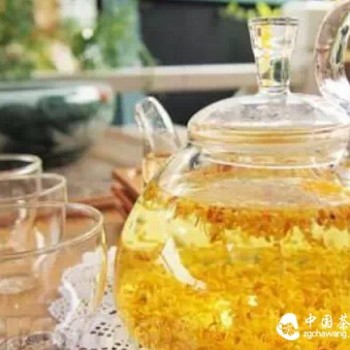
Drinking This Type of Tea Can Effectively Eliminate Bad Breath
Bad breath is an embarrassing issue often caused by stomach fire, dampness, and phlegm in traditional Chinese medicine. Osmanthus flowers, rich in aromatic compounds, can neutralize foul odors in the mouth, while tea is effective in reducing internal heat, promoting diuresis, resolving phlegm, and h...
Tea News · Apr 08, 2026
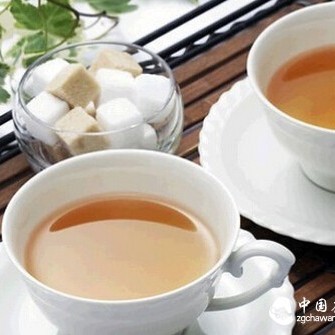
20 Precautions for Drinking Tea
While tea is a healthy beverage, its consumption should be tailored to individual health conditions. Key precautions include avoiding tea when having a fever, as caffeine can raise body temperature and reduce drug efficacy. Those with liver issues, nervous exhaustion, or ulcers should drink cautious...
Tea News · Apr 07, 2026
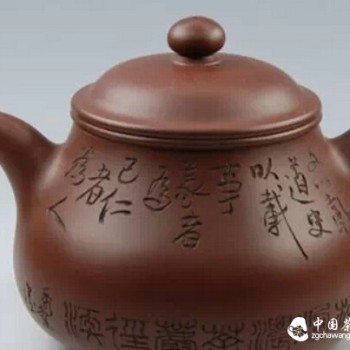
Simple Identification Methods for Yixing Teapots
Yixing teapots, made from unique purple clay, become more lustrous with prolonged use due to the tea's nourishing effect during brewing. They exhibit excellent thermal shock resistance, allowing safe use on stoves or in microwaves without cracking. The material retains heat well, preventing scalding...
Tea News · Apr 05, 2026
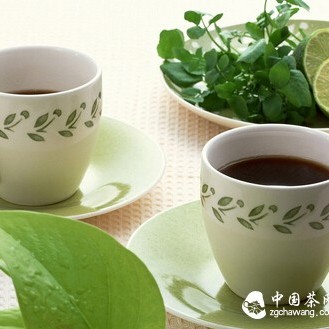
Step-by-Step Guide to Brewing a Perfect Cup of Tea
On a winter afternoon, brewing a hot cup of tea brings warmth and tranquility. While selecting high-quality tea leaves is essential, factors such as water quality, temperature, utensils, steeping time, and tea-to-water ratio all significantly influence the color, aroma, and flavor of the tea. Resear...
Tea News · Apr 05, 2026
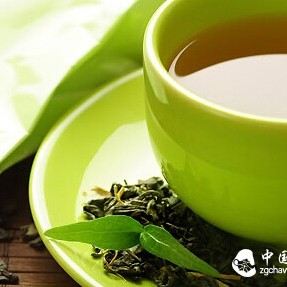
Boiling Tea is More Anti-Cancer Than Steeping
British scientists have discovered that boiling tea in a pot, compared to steeping it in boiling water, allows tea leaves to release more anti-cancer substances, resulting in better anti-cancer effects. Research indicates that boiling tea leaves in a pot for five minutes maximizes the concentration...
Tea News · Apr 05, 2026
Essential Tea Knowledge You Must Read
For Chinese people, drinking tea for health preservation is a tradition passed down for thousands of years. In recent years, more and more research has been conducted on the health benefits of tea: cancer prevention, cardiovascular protection, radiation resistance... It seems that all health risks i...
Tea News · Apr 03, 2026
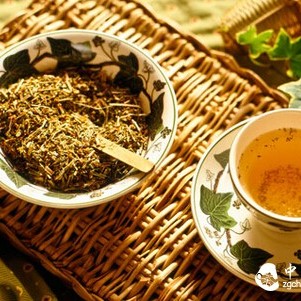
Don't Always Say You Understand Tea. Only When You Understand These 20 Basic Facts Are You Truly Knowledgeable.
This article presents 20 essential and practical facts about tea culture to test and enhance your knowledge. It clarifies common misconceptions, such as Black tea being referred to as 'Black tea' in English, Anji White Tea belonging to the green tea category, and Da Hong Pao being an oolong tea, not...
Tea News · Apr 01, 2026

Seven Clever Ways to Use Tea for Skin Care
Tea is not just a beverage; it's a versatile ingredient for natural skincare. This article outlines seven practical methods to harness the benefits of tea for your skin and hair. You can use tea broth to wash your face, helping to remove spots and whiten the skin. Creating a tea mask with tea powder...
Tea News · Mar 30, 2026
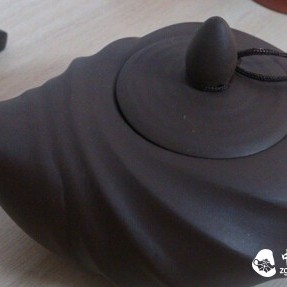
Afraid of insomnia from drinking tea at night? Actually, you can do it like this!
Many tea lovers worry that drinking tea in the evening will cause insomnia, while seasoned tea drinkers seem to sleep soundly even after nightly tea sessions. If you really crave some tea tonight, it's not entirely impossible. Tea's stimulating effect primarily comes from caffeine. The caffeine cont...
Tea News · Mar 28, 2026
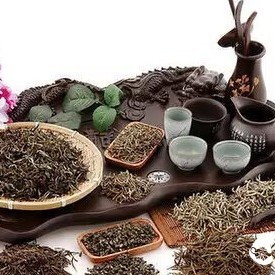
Eighteen Ways of Drinking Tea That Can Easily Endanger Your Life
While enjoying tea is a popular leisure activity, it is not suitable for everyone. This article highlights eighteen situations where drinking tea may pose health risks. For instance, individuals with fever, liver conditions, or anemia should avoid tea, as it can elevate body temperature, strain the...
Tea News · Mar 27, 2026