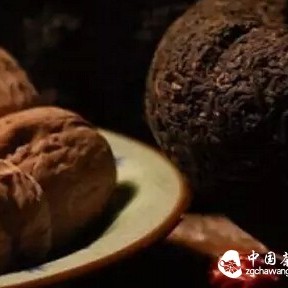
How to Call Tea Names to Sound Professional!!
The world of tea is full of peculiar and intriguing terms that might sound strange but carry rich meanings. For instance, 'Yellow Flakes' refers to old leaves from ancient tea trees, known for their mellow flavor and gentleness on the stomach. 'Duck Shit Aroma' is a premium Phoenix Mountain oolong t...
Tea News · Mar 13, 2026
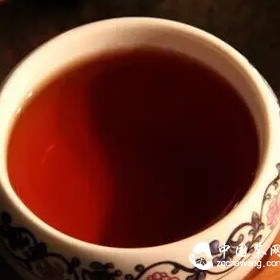
Beauty Pu-erh Tea, The More You Drink, The Healthier You Get
Pu-erh tea is a special type of tea whose processed young leaves improve in flavor and value with age. Regular drinkers know it is excellent for lowering lipids, aiding weight loss, beautifying the skin, reducing blood pressure, and preventing arteriosclerosis. Clinical trials, such as those conduct...
Tea News · Mar 11, 2026
Got Dampness in Your Body? Drink Tea to Flush It Out
In the damp spring season, excess moisture can accumulate in the body, especially for women. Drinking tea is a convenient and effective way to combat dampness, as it promotes diuresis (increased urine production , which helps eliminate excess fluids. Tea also generates body fluids and soothes the th...
Tea News · Mar 11, 2026
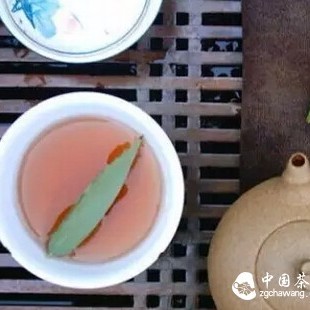
How Much Do You Know About China's Seven Major Tea Categories?
China's tea culture is profound, with teas traditionally categorized into seven major types based on processing methods and fermentation levels: Green Tea (unfermented , Black Tea (fully fermented , Oolong Tea (semi-fermented , Yellow Tea (lightly fermented , White Tea (minimally fermented , Dark Te...
Tea News · Mar 10, 2026
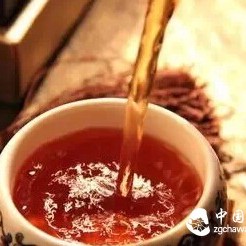
The 'Five Uniquenesses' of Pu-erh Tea
Pu-erh tea possesses several world-class unique characteristics that distinguish it from other teas. These include its exclusive growing climate in Yunnan's high-altitude, low-latitude regions with dramatic daily temperature shifts and abundant mist, which enriches the tea leaves. Its soil is unique...
Tea News · Mar 09, 2026
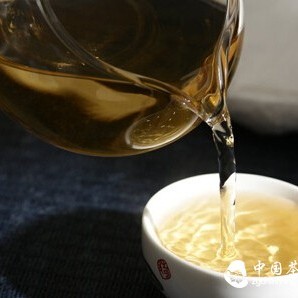
How to Improve the Tasting Ability of Pu-erh Tea
Improving the ability to appreciate Pu-erh tea requires practice, comparison, and experience. The article distinguishes between ancient tree tea (with older trees and sparse planting and terrace tea (including densely planted small trees and large-scale plantation tea , noting that while ancient tr...
Tea News · Mar 08, 2026
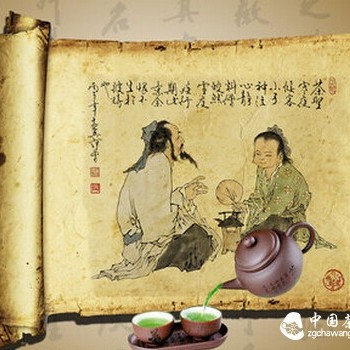
Drinking Pu-erh Tea Regularly to Get Rid of Dull Skin Tone and Deep Detoxification
Pu-erh tea, made from rare tea tree varieties and through unique processing methods followed by aging and fermentation, is believed to offer remarkable beauty benefits. Regular consumption can promote deep detoxification, relieve constipation, reduce acne and bad breath, improve dull skin tone by lo...
Tea News · Mar 07, 2026
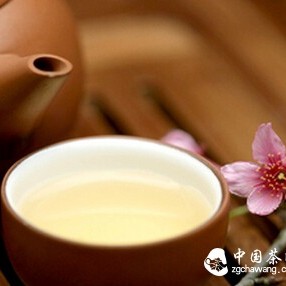
Have You Been Drinking Beauty and Weight Loss Tea Correctly?
Different types of tea offer specific benefits for beauty and weight loss, and choosing the right one is essential. For those on a diet, Oolong tea is recommended, while those with bloating may benefit from Coix seed tea. If stress causes constipation, Lotus leaf tea can help, and Hawthorn tea is su...
Tea News · Mar 06, 2026
Homemade Weight Loss Tea, Let's Take a Look Together
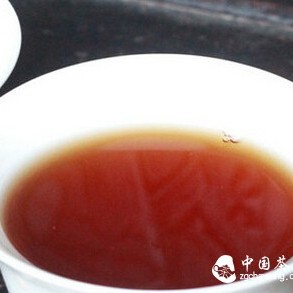
This article introduces several types of homemade teas believed to aid in weight loss. It highlights Pu-erh tea for boosting digestion and metabolism to reduce belly fat, peach blossom tea for eliminating abdominal fat and skin dark spots, lotus leaf tea for its diuretic and fat-burning properties w...
Tea News · Mar 03, 2026
The Value and Preservation of Pu-erh Tea
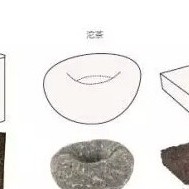
Pu-erh tea, a fermented tea from Yunnan Province, has gained significant attention for its rising value and health benefits. It is primarily made from large-leaf tea varieties grown in ancient tea mountains at high altitudes. Pu-erh is categorized by shape (cake, brick, tuo, etc. and fermentation p...
Tea News · Feb 26, 2026