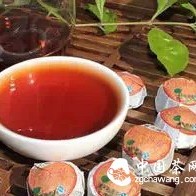
The Difference Between Pu-erh Tea and Tuo Tea
Pu-erh tea, historically famous from Yunnan, China, is a collective term for teas made from sun-dried large-leaf tea varieties processed in the region. Tuo tea, named for its distinctive bowl-like shape, can be made from either green tea or fermented dark tea (Pu-erh . While all Pu-erh tuo tea is a...
Tea News · Feb 25, 2026

The 'Tea Character' of Pu-erh Tea
Pu-erh tea is known for its mild and gentle character, which is non-irritating to the stomach, making it suitable for modern lifestyles often marked by stress and irregular diets. It is a scientifically-backed health beverage, recognized for its potential cancer-preventive properties and benefits in...
Tea News · Feb 25, 2026
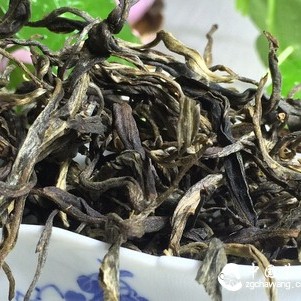
The Throat Sensation of Pu-erh Tea
The throat sensation is a key criterion for evaluating the quality of Pu-erh tea. It refers to a refreshing and comfortable feeling that forms in the throat after drinking the tea, often accompanied by a lingering sweetness and aroma. This sensation is typically more pronounced and enduring in high-...
Tea News · Feb 23, 2026
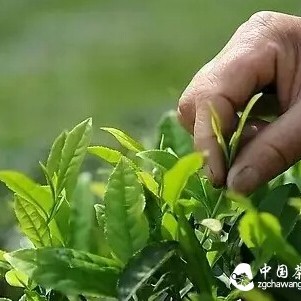
The Secrets About Pu-erh Tea You Didn't Know!
This article reveals several common misconceptions about Pu-erh tea. It clarifies that Pu-erh tea is not exclusively produced in Pu'er City, Yunnan, but primarily comes from regions like Xishuangbanna, Lincang, and Baoshan. It explains that the grading system for tea leaves relates to size and tende...
Tea News · Feb 22, 2026
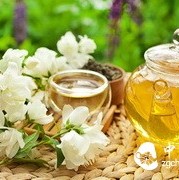
Drinking 3 Cups of Tea Daily Can Prevent Heart Attacks and Strokes
Tea is an important part of the Chinese diet, and studies show that tea leaves are rich in antioxidants and anti-aging substances. Recent research increasingly indicates that drinking tea also benefits cardiovascular health. According to a recent report in the British Daily Mail, a new study found t...
Tea News · Feb 15, 2026
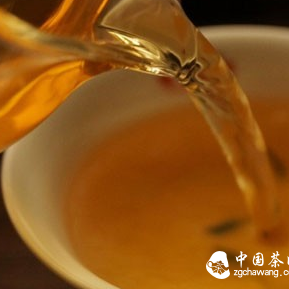
How to Experience the Texture of Tea Soup When Drinking Pu-erh Tea
The texture of tea soup is a crucial sensation in the process of drinking Pu-erh tea. For first-time drinkers, this aspect is often overlooked, primarily because they may be accustomed to other tea types that focus on the fresh aroma of the leaves or the surface fragrance enhanced by processing tech...
Tea News · Feb 14, 2026
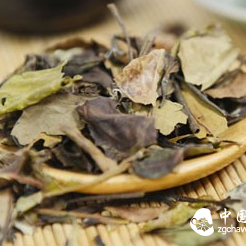
My Tea-Flavored Life – Savoring White Tea
Recently, I have been frequently drinking white tea, which I describe as a quiet tea with medicinal properties. After several tastings, I have grown quite fond of it. White tea lacks the fresh fragrance of green tea, the mellow richness of Pu-erh tea, and the high, aromatic notes of Tieguanyin. Inst...
Tea News · Feb 11, 2026
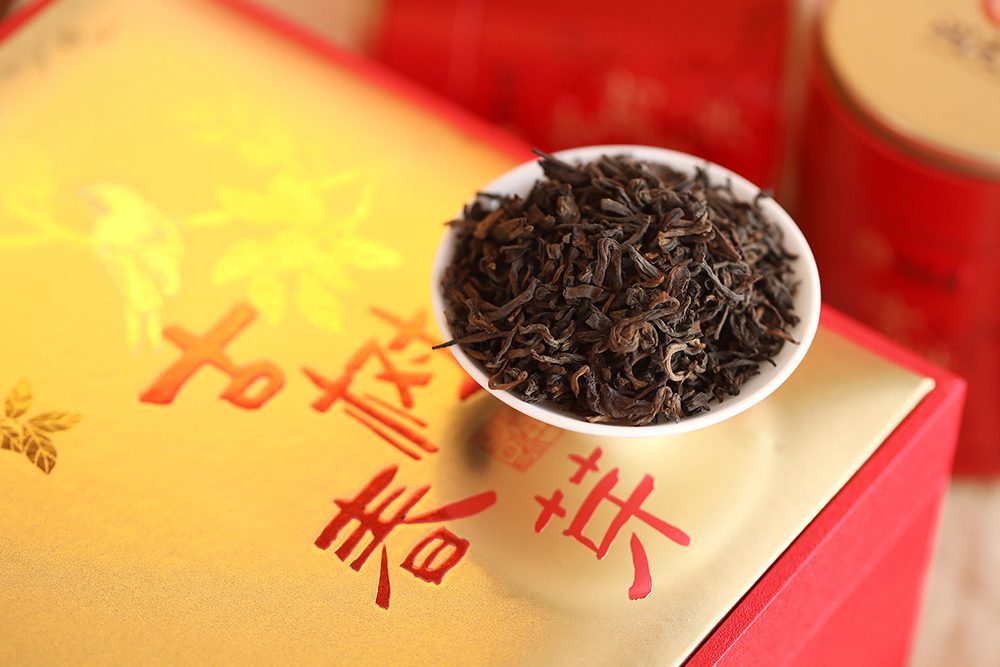
The 'Four Major Differences' Between Pu-erh Tea and Anhua Dark Tea
Pu-erh Tea and Anhua Dark Tea are two distinct concepts. Pu-erh refers specifically to one type of tea, classified under the broader category of Dark Tea, which itself is one of China's six major tea classes. While Pu-erh is often grouped with Dark Tea, significant differences exist in their raw mat...
Tea News · Feb 06, 2026
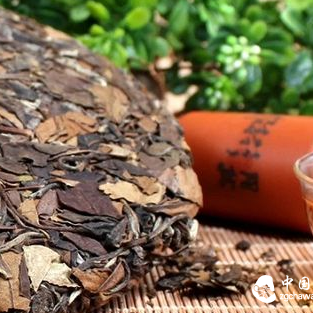
Aged White Tea | Storing New and Drinking Old is More Reliable
As the white tea market heats up, it has also become increasingly complex, with many aged white teas being difficult to authenticate. An experienced tea farmer from Fuding City's Diantou Town, with nearly 40 years of tea planting and processing experience, explains that the white tea market remained...
Tea News · Feb 05, 2026
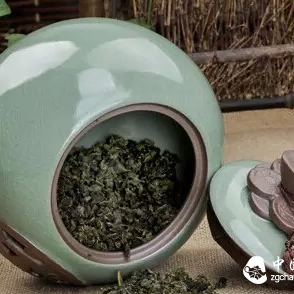
Clever Tea Storage for Longer Preservation
Tea is highly susceptible to moisture and odors, and under conditions of high temperature, humidity, sunlight, and ample oxygen, its internal components deteriorate rapidly, lowering quality and accelerating spoilage. Proper storage is crucial, especially for valuable new-harvest green teas and aged...
Tea News · Feb 03, 2026