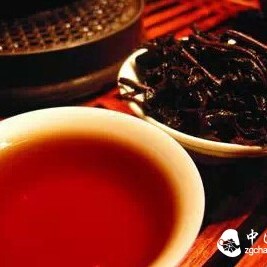
Drinking Pu-erh Tea After Dinner Flushes Out Large Amounts of Carcinogens
Research indicates that drinking a cup of Pu-erh tea after dinner can help the body expel a significant amount of accumulated carcinogens. Studies show that potent carcinogens like polycyclic aromatic hydrocarbons, which accumulate from activities such as smoking or eating grilled foods, are signifi...
Tea News · Apr 09, 2026
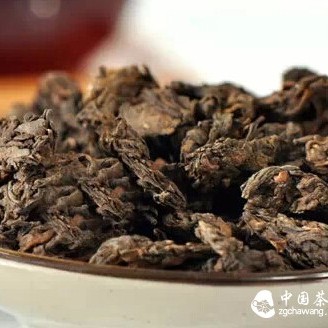
Old Tea Head
Old Tea Head is a special type of ripened Pu-erh tea. It forms during the fermentation process of Pu-erh tea, characterized by high tenderness, small size, and tightly knotted strips. During fermentation, after moistening, the tea leaves become soft and the透气性 between tea masses decreases, making th...
Tea News · Apr 04, 2026
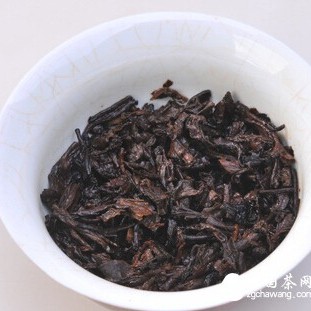
How Many Uses of Pu-erh Tea Do You Know? Weight Loss, Lipid Reduction, Anti-aging
Pu-erh tea offers a wide range of practical uses beyond drinking. It can help treat athlete's foot due to its strong antibacterial tannic acid content, eliminate bad breath through its astringent properties, and serve as a natural hair rinse to add shine and softness. Additionally, Pu-erh tea can be...
Tea News · Apr 02, 2026
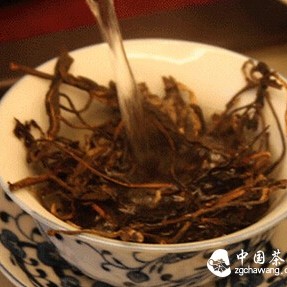
A Comprehensive Collection of Pu-erh Tea Drinking Methods
Pu-erh tea is renowned not only for its quality but also for its unique drinking methods and remarkable health benefits. The basic ways to enjoy it are 'brewing' (which includes steeping and infusing and 'boiling'. Loose-leaf Pu-erh is typically brewed, while compressed Pu-erh is best boiled in an...
Tea News · Mar 30, 2026
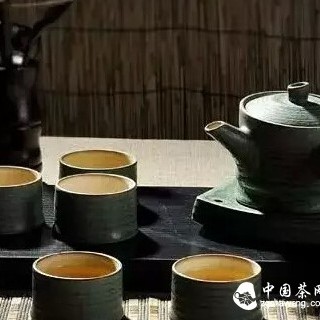
How to Distinguish Between 'Dry Storage' and 'Wet Storage' Pu-erh Tea?
This article provides a comprehensive guide to distinguishing between 'dry storage' (natural aging and 'wet storage' (artificially accelerated aging Pu-erh tea. It explains the definitions of both storage methods and details identification techniques across multiple aspects: external packaging pap...
Tea News · Mar 19, 2026
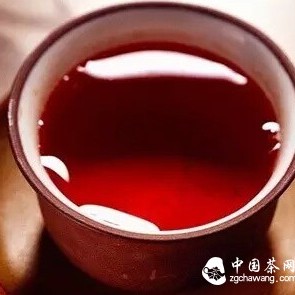
After the Festival to Relieve Greasiness, You Can Drink Pu-erh Tea
After the Spring Festival, many people suffer from indigestion and physical discomfort due to overeating and irregular routines. To quickly regain health amidst busy post-holiday work, drinking tea is a convenient solution. Tea effectively boosts metabolism, reduces greasiness, detoxifies, and promo...
Tea News · Mar 19, 2026
Does Drinking Tea Really Cause Insomnia?
Many people believe that drinking tea can lead to insomnia, but some argue that Pu-erh tea is an exception. Experts clarify that while Pu-erh tea offers health benefits, improper consumption can still cause sleep disturbances. Pu-erh tea is categorized into raw and ripe types: raw tea contains highe...
Tea News · Mar 17, 2026
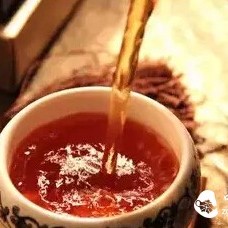
How to Identify Poor Quality Pu-erh Tea?
The quality of Pu-erh tea directly affects its taste when consumed. Currently, some unscrupulous merchants sell inferior Pu-erh tea, which can be harmful to health. Pu-erh tea is a general term for various Yunnan compressed teas made from green or black tea through fermentation and steaming, includi...
Tea News · Mar 17, 2026
Ripened Tea is the Difficulty and Focus of Pu-erh Tea. Do You Understand Ripened Tea?
Ripened Pu-erh tea is considered the core challenge and focal point within the Pu-erh category. Its complexity stems from significant information asymmetry, making it difficult for consumers and even some experts to fully comprehend. Objectively, barriers like limited access to witness the entire 'w...
Tea News · Mar 16, 2026
Detailed Explanation of the Seven Wonders of Pu-erh Tea
Pu-erh tea, a post-fermented tea often called a 'drinkable antique,' improves with age. With a history of over 2,100 years in Yunnan, it is known for its mild nature, durability in brewing, and a reddish-brown, clear liquor offering mellow, sweet, and smooth flavors. It comes in raw (sheng and ripe...
Tea News · Mar 15, 2026