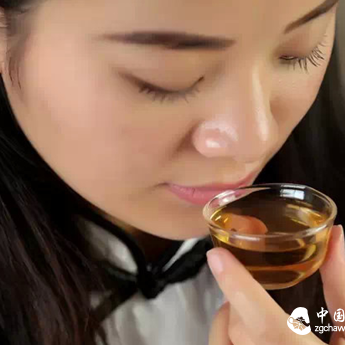
Actually, Pu-erh Tea is a Traditional Chinese Medicine. These Types of People Should Drink More...
Pu-erh tea is a unique tea from Yunnan, China, made from large-leaf tea varieties through special processing techniques. It is known for its potential health benefits, including lowering blood lipids. Studies suggest long-term consumption can help decompose excess body fat, which is often linked to...
Tea News · Feb 02, 2026
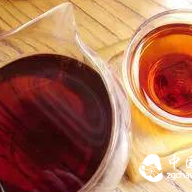
Various Aromas of Pu-erh Tea (Raw and Ripe)
Pu-erh tea is renowned for its complex and evolving aroma profiles, which differ significantly between raw (sheng and ripe (shou varieties. Raw Pu-erh tea typically exhibits fresh, floral, and sweet aromatic notes such as floral, orchid, honey, woody, and rock sugar scents, often associated with s...
Tea News · Jan 30, 2026
The Taste of Pu-erh Tea
Pu-erh tea often presents a complex palette of flavors including sweetness, bitterness, astringency, sourness, wateriness, or even a subtle 'tastelessness.' These notes may appear individually or coexist within a single infusion. Sweetness is highly sought after by connoisseurs, while bitterness and...
Tea News · Jan 30, 2026
Tea Drinking for Weight Loss: Know the Taboos
Pu-erh tea is believed to aid in weight loss primarily due to the action of oligosaccharides it contains. These compounds can promote the growth of beneficial gut microbes, inhibit harmful bacteria, and help control blood cholesterol and fat levels. The article introduces a specific Pu-erh tea weigh...
Tea News · Jan 30, 2026
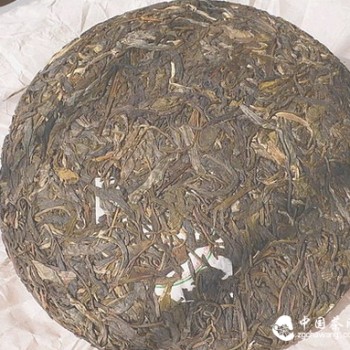
The Origin of Tea Cakes, the Bitter Taste of Tea Turns Sweet
Tea cakes, also known as compressed tea or round tea, originated in the Northern Song Dynasty when Ding Jin, the Fujian transport commissioner, first created 'Phoenix Cakes,' later followed by 'Dragon Cakes.' These Dragon and Phoenix Cakes served as imperial tribute tea until the Ming Dynasty. In th...
Tea News · Jan 30, 2026
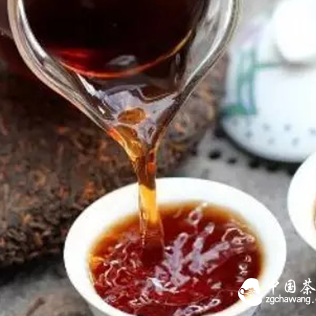
Experiencing the 'Water' of Pu-erh Tea
The experience of Pu-erh tea soup in the mouth involves various sensations beyond flavor, collectively referred to as its 'water character.' This character can be described in seven aspects: smoothness, melting, liveliness, sandiness, thickness, thinness, and sharpness. Among these, smoothness, melt...
Tea News · Jan 29, 2026
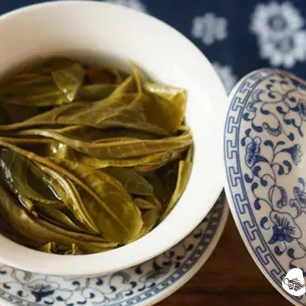
Important Component of Pu-erh Tea: Amino Acids
Amino acids are organic compounds containing amino and carboxyl groups, serving as the fundamental building blocks of proteins. In Pu-erh tea, amino acids contribute significantly to the flavor attribute of freshness and umami. Their content is directly proportional to this taste sensation. During t...
Tea News · Jan 29, 2026
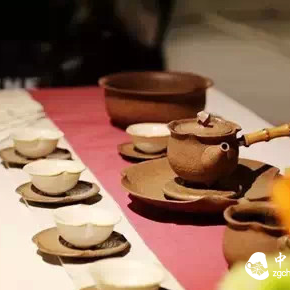
Pu-erh Tea, The Beauty of Time's Craftsmanship
Pu-erh tea is recognized as a significant tea variety worldwide, celebrated for its unique production, consumption, and artistic culture. It is considered a tea sage, refined by time and natural processes. Unlike other teas, Pu-erh undergoes a complex, multi-step production and a slow 'post-fermenta...
Tea News · Jan 29, 2026
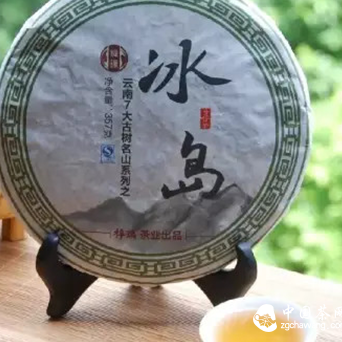
Iceland Tea Ancient Tree Pu-erh Ice Island Tea
Ice Island tea, a type of ancient tree Pu-erh from the Ice Island village, is renowned for its distinctive qualities. The tea leaves are robust, with thick, tender buds and large, dark green foliage. Its flavor profile is marked by an exceptionally low bitterness and astringency, accompanied by a pr...
Tea News · Jan 27, 2026
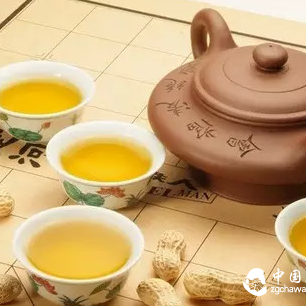
Teas That Improve with Age: Pu-erh Tea, Dark Tea, Oolong Tea
Certain teas are renowned for developing richer flavors and aromas over time, a characteristic known as 'improving with age.' The primary teas that exhibit this quality are Pu-erh tea, Dark tea (such as those from Hunan or Sichuan , and some Oolong teas like aged Tieguanyin. For successful aging, it...
Tea News · Jan 27, 2026