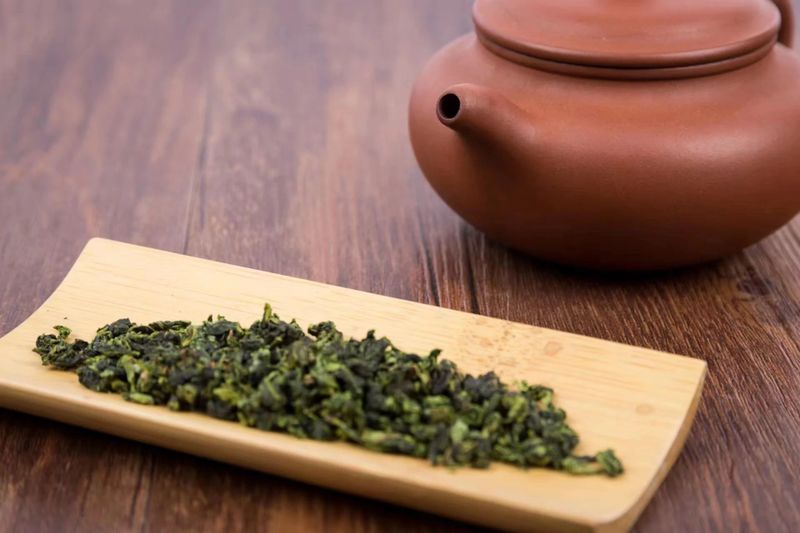
The Effects, Brewing, and Identification of Tieguanyin! Note...
Tieguanyin is a type of oolong tea that undergoes partial fermentation, combining the fresh aroma of green tea with the sweet mellow taste of black tea. It is rich in tea polyphenols, which act as free radical scavengers and can help delay aging, inhibit cardiovascular diseases, and promote fat meta...
Tea News · May 22, 2026
It’s All Red Tea’s Fault!!
Red tea, also known as black tea, offers numerous health benefits ranging from preventing colds and improving bone density to enhancing blood circulation and reducing cancer risk. Studies show that compounds like catechol and antioxidants in red tea can inhibit viruses, protect the heart, and even n...
Tea News · May 22, 2026
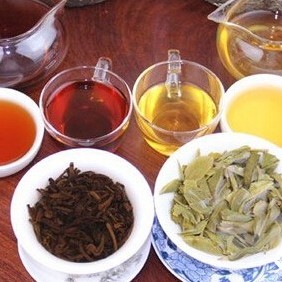
Raw Tea vs. Ripe Tea: A World of Difference!
This article introduces the key differences between raw (sheng and ripe (shou Pu'er tea. It covers their distinct production processes, focusing on whether the tea undergoes 'wodui' (pile fermentation . The differences in appearance, liquor color, taste, infused leaves, and health benefits are als...
Tea News · May 22, 2026
About Keemun Black Tea: What You Might Not Know!
Keemun black tea, mainly produced in the Qimen area of Anhui Province, is renowned for its high aroma, mellow taste, beautiful shape, and bright color. It is rich in vitamins, minerals, and amino acids, offering health benefits such as refreshing the mind, promoting digestion, and reducing inflammat...
Tea News · May 22, 2026
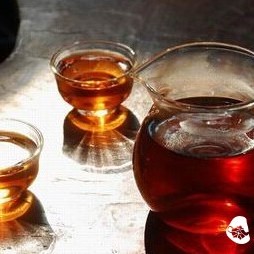
How Much Do You Know About the Secrets of Pu'er Tea?
Pu'er tea is known for its difficulty in releasing flavors, requiring boiling water for brewing. The first infusion is often discarded to remove impurities. It is best consumed half an hour after meals to avoid stomach irritation. The tea contains lipase that helps break down fat, making it effectiv...
Tea News · May 22, 2026
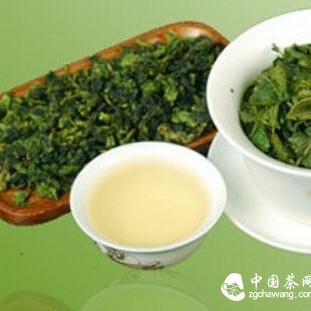
Experiencing the Tea Culture of Southern Fujian
People in Fujian love to drink tea, especially oolong tea. In Xiamen, the most famous tea is Anxi tea, with Tieguanyin being the top grade. Tieguanyin resembles green olives: slightly bitter at first, but gradually sweetens in the throat with endless charm. Locals call drinking tea 'brewing tea' (pa...
Tea News · May 21, 2026
Tea Knowledge: Water is the Soul of Tea
The text discusses the crucial role of water in tea brewing, emphasizing that water quality is as important as the tea leaves themselves. It describes the five ideal qualities of water for tea: lively, clear, light, sweet, and cool. It highlights famous springs in China, historical figures known for...
Tea News · May 21, 2026
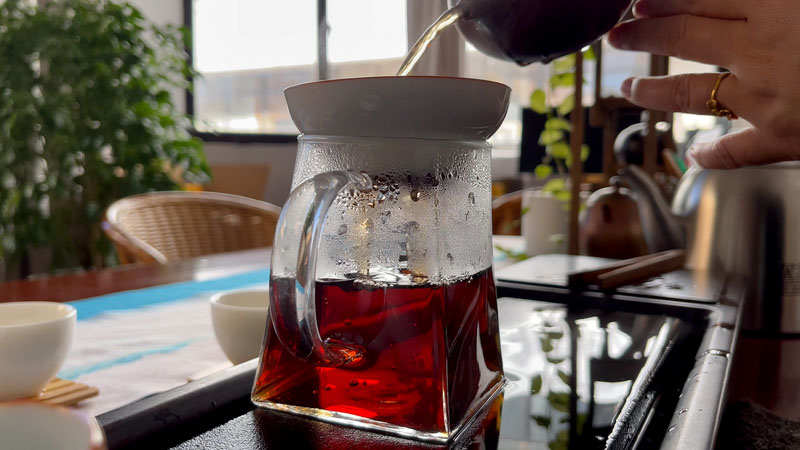
Tea Recipes for Treating Colds
This document introduces several traditional Chinese tea recipes for treating colds, such as Bawei Tea, Tianzhong Tea, and Wushen Tea. Each recipe includes a list of herbal ingredients, preparation methods, and specific effects, such as dispelling wind-cold, relieving headaches, and reducing fever....
Tea News · May 21, 2026
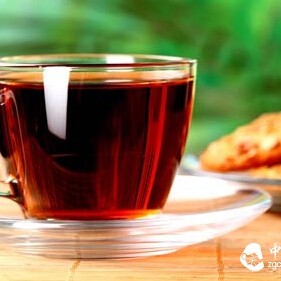
Drinking black tea is the best for warming the stomach in winter: a detailed look at its health benefits
In winter, a warm cup of black tea not only warms the stomach but also has skincare benefits. Black tea helps boost metabolism and blood circulation, relieving fatigue. It also aids in removing excess salt and harmful substances from the body, promoting urination. Drinking black tea in winter can im...
Tea News · May 21, 2026
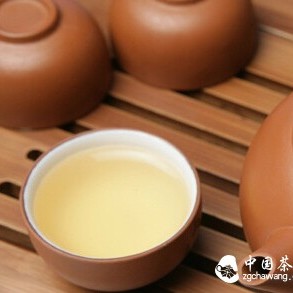
Chinese Tea Etiquette: Don't Be Rude While Drinking Tea!
Chinese people often host guests with tea. A seemingly simple cup of tea contains many nuances, from brewing to serving, tasting, and refilling. This article shares essential Chinese tea etiquette, teaching you the most traditional way to respect a cup of tea....
Tea News · May 21, 2026