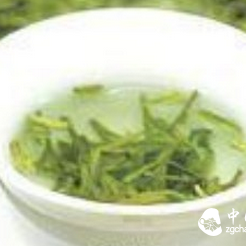
What is the Essence of Fixation in Green Tea Processing?
The essence of fixation in green tea processing is to destroy the tissue of fresh leaves through high temperature, rapidly transforming the internal components. This process inactivates enzymes, stopping enzymatic reactions, and allows non-enzymatic reactions to form the color, aroma, and taste char...
Tea News · May 28, 2026
How to Distinguish Green Tea, White Tea, and Yellow Tea
Green tea is completely unfermented, retaining its natural green color through steaming or pan-firing. White tea is lightly fermented (10-20% , with silver-white buds and a sweet, mild flavor. Yellow tea, also lightly fermented, undergoes an additional high-temperature yellowing process, giving it a...
Tea News · May 28, 2026
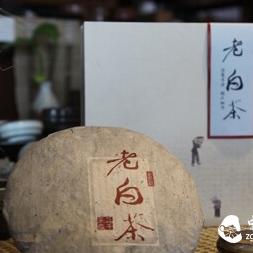
Encountering an Aged White Tea
Encountering a good tea is like finding a fine wine. When it comes to Fujian tea, Tieguanyin is often the first to come to mind. Aged white tea, however,沉淀 in the transformation of time, can bring you great惊喜 when brewed with care. Once you taste it, it is hard to go back to other teas....
Tea News · May 28, 2026
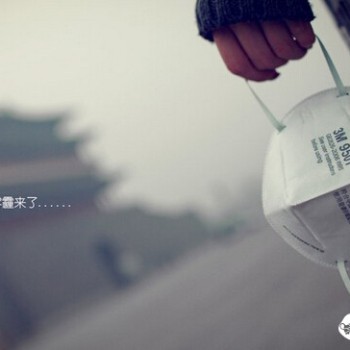
Caught in the “PM Siege,” Have a Cup of Clear Tea to Moisturize Your Lungs!
Due to widespread haze, tiny particles in the air can harm respiratory health and even cause lung cancer. Drinking tea, especially in the afternoon, can help clear the lungs and soothe the throat. Several traditional Chinese tea remedies are recommended for their detoxifying and moisturizing effects...
Tea News · May 28, 2026
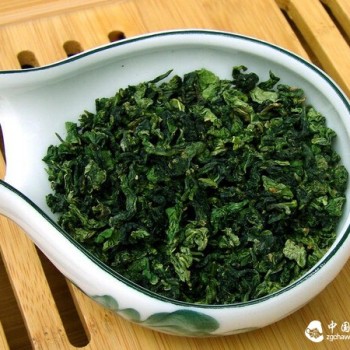
6 Tips to Identify Premium Tieguanyin Tea
Tieguanyin has always been widely popular, but identifying premium Tieguanyin is a profound skill. Experts can easily distinguish it, while beginners can evaluate the tea by observing its shape, listening to its sound, inspecting its color, smelling its aroma, and tasting its essence. This article t...
Tea News · May 28, 2026
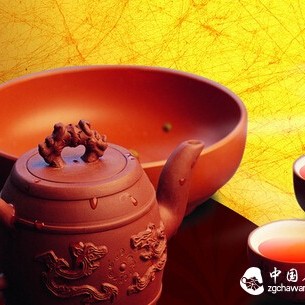
What Exactly Is Tea?
Tea is more than just a beverage; it embodies mood and lifestyle. From the innocence of white tea to the wisdom of aged Pu'er, each variety reflects different life stages and personalities. Rich in cultural heritage, tea transcends its physical form to become a symbol of tradition and enlightenment....
Tea News · May 28, 2026
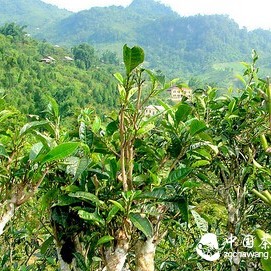
What Are Ancient Trees and What Is Pure Material
Ancient tree pure material is the highest grade of Pu'er tea. 'Pure material' can only be called so on the premise of ancient trees; terrace-grown tea has no such concept. Ancient trees generally refer to trees over a hundred years old, with deep roots and rich internal contents, far superior to sma...
Tea News · May 28, 2026
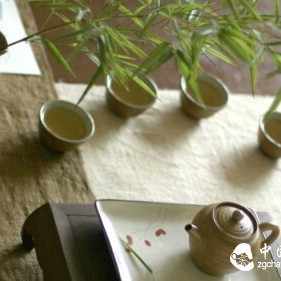
How Much Do You Know About the Astringent, Bitter, Umami, and Sweet Tastes of Tea?
The taste of tea is a comprehensive reflection of various flavor compounds in the tea infusion, including sugars, amino acids, polyphenols, and caffeine. Astringency mainly comes from ester-type catechins, bitterness from caffeine and anthocyanins, umami from amino acids (especially theanine , and s...
Tea News · May 28, 2026
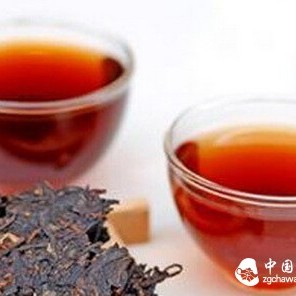
Don't Fall into These Pu'er Tea Misconceptions
Pu'er tea is often misunderstood: new tea can be enjoyed immediately if the raw material is good, and aging is not the sole factor for quality. Proper storage at home is easy as long as odors are avoided. Repeatedly boiling water for brewing should be avoided, and tea cannot replace water in daily h...
Tea News · May 27, 2026
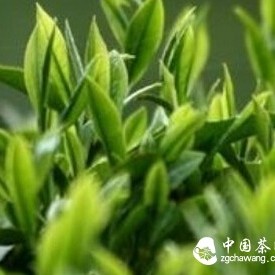
The Past and Present of Green Tea
Green tea, the foremost of the six major tea categories, has the longest history in China. Through continuous innovation and development, it is now made from fresh tea leaves or buds that are unfermented, processed through typical techniques such as pan-firing, shaping, and drying. Legend traces its...
Tea News · May 27, 2026