
The Way of Hospitality: The Etiquette of Offering Tea
China is an ancient civilization known for its rituals and courtesy. No matter rich or poor, when a guest arrives, the etiquette of offering tea is indispensable. The tea is typically poured to two-thirds or three-quarters of the cup, as a full cup implies a wish for the guest to leave. Serving tea...
Tea News · May 27, 2026
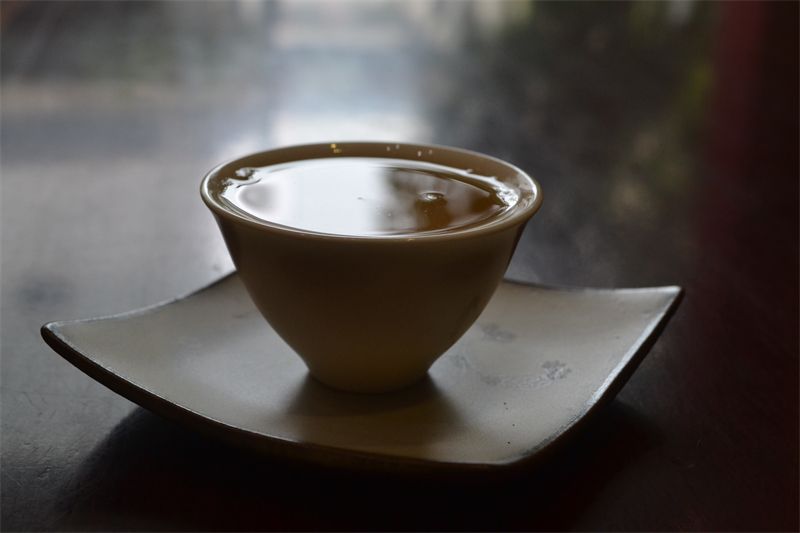
What is "Tea Qi"?
Tea Qi (茶气 is more than just heat from hot tea; it penetrates the body deeply, often causing sustained warmth and sweating along the spine rather than just the chest. A rising sensation to the head does not necessarily indicate strong tea qi, and the experience should not be guided by subjective se...
Tea News · May 27, 2026

Rinsing Tea is Different from Awakening Tea
Rinsing tea is often mistaken for simply cleaning tea leaves, but in fact, it is a crucial step called 'awakening tea' that prepares the leaves for brewing. Fresh teas do not need awakening, while aged teas require it. The method varies depending on the type of tea, such as using warm water for less...
Tea News · May 27, 2026

Master the Effects and Benefits of Jin Jun Mei
Jin Jun Mei, as a top-grade black tea, offers numerous health benefits such as warming and protecting the stomach, anti-inflammatory and antibacterial effects, strengthening the heart and relieving spasms, and preventing tooth decay. Drinking it regularly not only promotes physical well-being but al...
Tea News · May 27, 2026
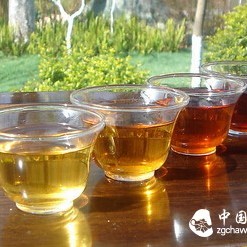
How to Eliminate the "Sour Taste" in Pu'er Tea
There are three main ways to eliminate the sour taste in Pu'er tea. The first is long-term natural storage in a dry environment, which usually takes 3 to 5 years. The second involves alternating between wet and dry storage to speed up the process, though it may reduce the tea's aged character. The t...
Tea News · May 27, 2026

Can children drink tea?
Chinese traditional tea culture makes many people have a special liking for tea. However, it is rare to see children drinking tea in daily life. Some believe that tea is too stimulating and harmful to children's growth, but this is a one-sided view. For preschool children, moderate tea consumption h...
Tea News · May 27, 2026
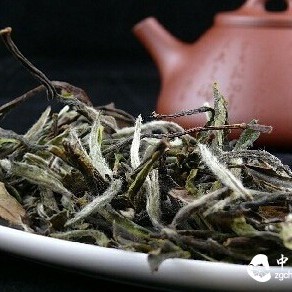
Fuding White Tea with Rich Health Benefits
According to the Compendium of Materia Medica, white tea is cold in nature and comparable to rhinoceros horn in efficacy. Traditional Chinese medicine believes white tea has cooling, fever-reducing, and detoxifying effects. Fuding white tea, made through natural withering and drying without frying o...
Tea News · May 27, 2026
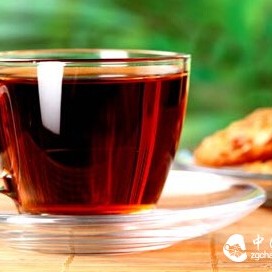
Drinking Tea by Time of Day
According to traditional practices, drinking tea is best suited to different times of the day. In the morning, black tea helps promote blood circulation and dispel cold. In the afternoon, green or oolong tea can alleviate liver heat and aid detoxification. In the evening, dark tea like Pu'er aids di...
Tea News · May 27, 2026
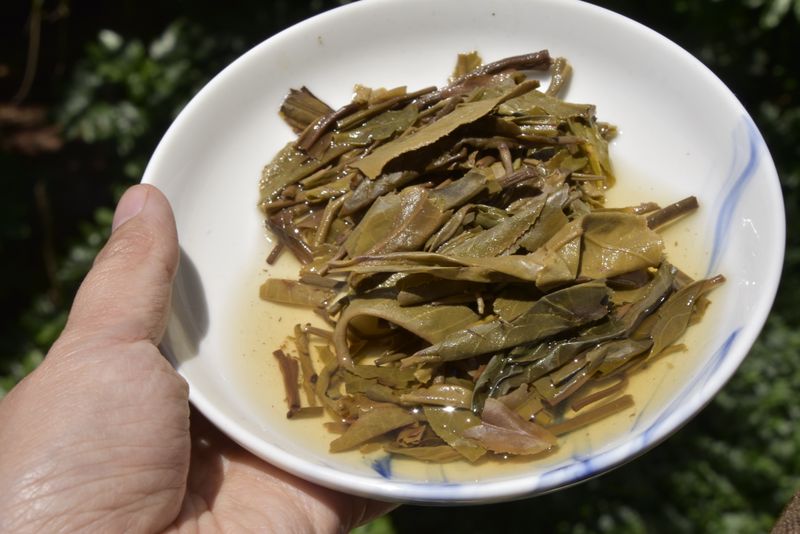
Why is Dahongpao So Precious?
Dahongpao is the finest among oolong teas, extremely rare and highly valuable. Produced in the UNESCO World Natural and Cultural Heritage site of Wuyi Mountain, it has a long history of tea cultivation. The famous saying "rarity makes things precious" applies perfectly here—only six mother trees of...
Tea News · May 26, 2026
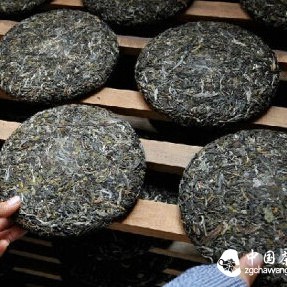
Want to Store Pu'er Tea Well? You Must Do This!
Pu'er tea storage requires careful separation: raw and ripe tea cakes should be stored separately, and loose tea follows the same rule. Choose a naturally ventilated location away from sunlight. For seven-cake bamboo-wrapped stacks, avoid plastic wrapping; keep the original bamboo leaves. Use cerami...
Tea News · May 26, 2026