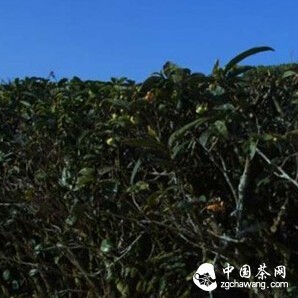
The Distinctive "Old Bush" Tieguanyin
The article discusses the emerging trend among tea enthusiasts of pursuing "Old Bush Tieguanyin," which refers to tea made from older tea trees aged several decades. It presents perspectives from both followers, who believe older trees yield richer flavor and are suitable for aging, and industry exp...
Tea News · Feb 19, 2026
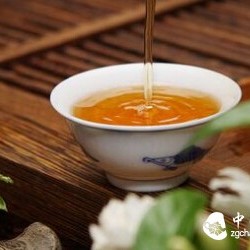
Do You Understand the "Sweet Aftertaste", "Saliva Production", and "Throat Sensation" of Tea?
When tasting tea, enthusiasts often evaluate a tea using terms like "sweet aftertaste" (the transformation of bitterness into sweetness in the mouth , "saliva production" (the stimulation of saliva secretion , "throat sensation" (the feeling the tea leaves in the throat, such as moistening , and "co...
Tea News · Feb 18, 2026
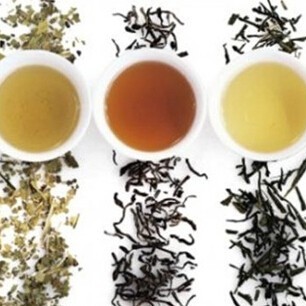
A Chinese Tea Buying Guide
Chinese people have a deep-rooted reliance and fondness for tea. Since the Tang Dynasty or even earlier, tea drinking has been regarded as a way of self-cultivation. Today, beyond its health benefits, tea drinking has become a cultural practice and a leisure activity that refines one's character. Ch...
Tea News · Feb 17, 2026
Benefits of Tea Pillows for the Head
A tea pillow, filled with processed tea leaves and floral materials like osmanthus, offers multiple health benefits for the head and neck. It helps regulate blood vessels and nerves in the cervical region, improving microcirculation, relieving fatigue, and refreshing the mind. Suitable for those wit...
Tea News · Feb 17, 2026
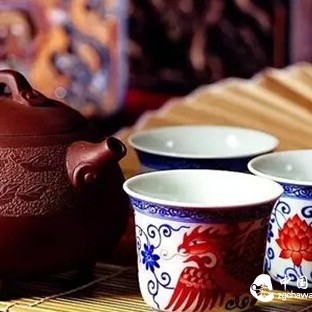
The Correct Way of Drinking Tea Can Effectively Control Calories
For friends aiming for weight loss, it is advisable to minimize the consumption of beverages in daily life and, if possible, drink more tea. Paying attention to the following points while drinking tea can aid in slimming. The correct way of drinking tea can help with weight loss: First, a sufficient...
Tea News · Feb 15, 2026
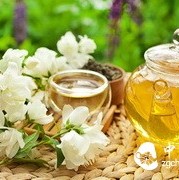
Drinking 3 Cups of Tea Daily Can Prevent Heart Attacks and Strokes
Tea is an important part of the Chinese diet, and studies show that tea leaves are rich in antioxidants and anti-aging substances. Recent research increasingly indicates that drinking tea also benefits cardiovascular health. According to a recent report in the British Daily Mail, a new study found t...
Tea News · Feb 15, 2026
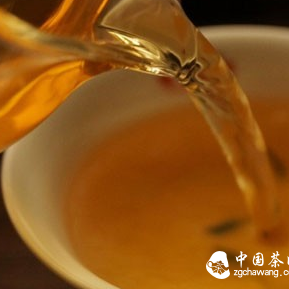
How to Experience the Texture of Tea Soup When Drinking Pu-erh Tea
The texture of tea soup is a crucial sensation in the process of drinking Pu-erh tea. For first-time drinkers, this aspect is often overlooked, primarily because they may be accustomed to other tea types that focus on the fresh aroma of the leaves or the surface fragrance enhanced by processing tech...
Tea News · Feb 14, 2026
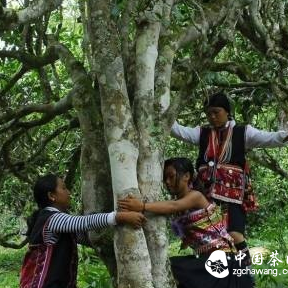
Old Chinese Medicine Practitioner: The Entire Pu'er Tea Tree is a Treasure!
According to traditional Chinese medicine, every part of the Pu'er tea tree is valuable and can be used medicinally without side effects. Its leaves, stems, wood, flower buds, seeds, and oil are all believed to have therapeutic properties. For instance, aged Pu'er tea leaves are said to aid digestio...
Tea News · Feb 13, 2026
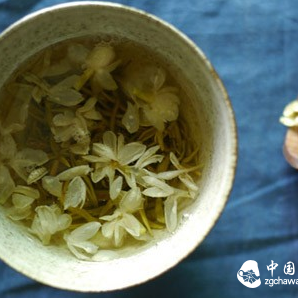
Three Steps to Identify High-Quality Jasmine Tea
Jasmine tea holds a special place in Beijing's traditional lifestyle, often being the first thing people enjoy in the morning. Originating from India and Pakistan, jasmine tea has a history of nearly a thousand years in China. The finest jasmine tea achieves a perfect balance where the tea absorbs t...
Tea News · Feb 13, 2026
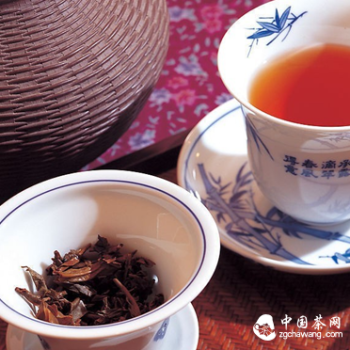
Basic Introduction to Tea Drinking Etiquette
Tea serving etiquette is a profound subject applicable both to client visits in the office and business dining occasions. Every gesture reflects one's upbringing and embodies courteous hospitality. Key principles include ensuring tea set cleanliness, preparing tea with appropriate strength, masterin...
Tea News · Feb 13, 2026