How to Drink Tea for Benefits Without Harm
Traditional Chinese Medicine suggests that different teas possess varying properties, such as cooling or warming. To maximize benefits and avoid harm, it's crucial to choose teas that match one's physical constitution and be aware of potential 'pitfalls.' For instance, individuals with a heaty const...
Tea News · Mar 03, 2026
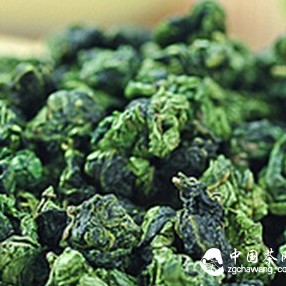
Classification of Anxi Tieguanyin
Anxi Tieguanyin is primarily classified into three major types based on fermentation level and production techniques: Fragrant Type, Rich Aroma Type, and Aged Aroma Type. The Fragrant Type features a light, slightly sweet taste with a clear, floral aroma and emerald green leaves. The Rich Aroma Type...
Tea News · Mar 02, 2026
Tea Aroma, Understanding Aroma to Know Tea
The aroma of tea is complex, influenced by factors such as variety, region, cultivation conditions, fresh leaf quality, and processing methods. Finished teas can be categorized into nine main aroma types. For instance, 'Hao Xiang' (pekoe aroma is typical in teas like Silver Needle, characterized by...
Tea News · Mar 01, 2026
Quality Characteristics of Tea in Different Seasons
Regardless of the type of tea, the season in which it is harvested and processed significantly impacts its quality. This is due to changes in the biochemical processes of tea plant metabolism under varying external conditions. The distinct quality traits of seasonal teas are essentially shaped by th...
Tea News · Feb 28, 2026

The Hidden Truth Behind Why Pu'er Tea Should Not Be Stored as Loose Tea
High-quality raw Pu'er tea, similar to premium green tea, offers a fresh and sweet taste when brewed at low to medium temperatures. The optimal drinking period begins when the tea leaves turn reddish, the buds and leaves shift from white to light brown, and the surface develops a glossy sheen. At th...
Tea News · Feb 28, 2026
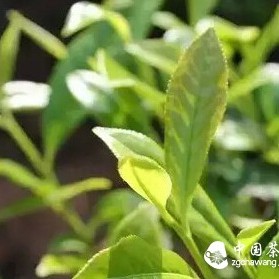
New Tea is Better: Several Tips for Identifying Spring Tea
Spring tea generally refers to tea leaves made from the first buds sprouted by tea plants after overwintering. In China, spring tea is primarily defined by the time period between the Beginning of Spring and before the Grain Rain. As the spring tea season arrives, it's important to know how to ident...
Tea News · Feb 28, 2026
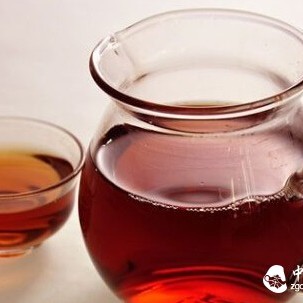
Drinking Dark Tea to Reduce Greasiness and Protect the Liver
As living standards improve and high-fat foods become more common in the diet, drinking dark tea can help reduce greasiness, protect the liver, nourish the stomach, and aid in weight loss. Dark tea is one of China's six major tea categories and is unique to the country. Often described as 'found onl...
Tea News · Feb 28, 2026
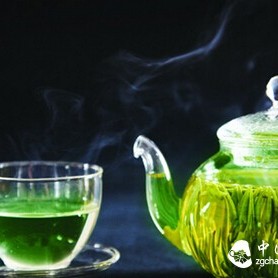
The Difference Between White Tea and Green Tea
White tea and green tea are both among the six major tea categories in China. While green tea is widely recognized, white tea remains less familiar to many. Green tea is made from suitable fresh tea shoots through processes like fixation and drying, characterized by its green color in dry leaves, te...
Tea News · Feb 27, 2026
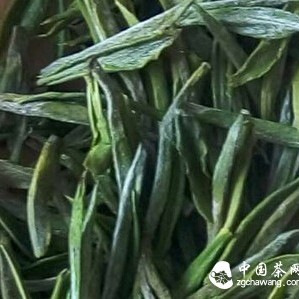
How to Identify the Quality of Anji White Tea with Pictures and Text Analysis?
This article provides a detailed guide on identifying the quality of Anji White Tea through a comparative tasting of five samples. The process includes four main steps: weighing and sampling the tea, evaluating the dry leaves' appearance (assessing color, strip shape, integrity, and cleanliness , br...
Tea News · Feb 27, 2026
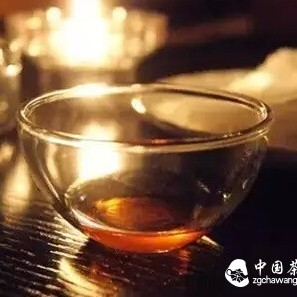
Where Do the Sour, Bitter, and Sweet Tastes in Black Tea Come From?
The distinctive sour, bitter, and sweet tastes in black tea originate from its unique full-fermentation process. Sweetness primarily comes from sugars and amino acids formed during fermentation, with younger tea leaves offering more pronounced sweetness. Sourness often indicates issues like overly d...
Tea News · Feb 26, 2026