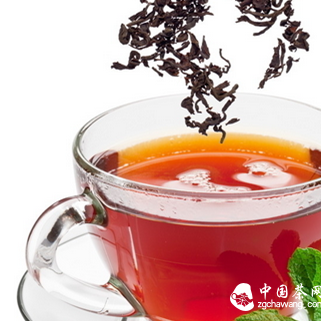
When Black Tea is Popular, You Must Know the Taboos of Tea Drinking
Black tea, with its warming properties and higher caffeine content compared to green tea and scented tea, is often a preferred choice for its strong refreshing effect and superior benefits in warming the stomach and aiding digestion. However, there are several common misconceptions and taboos in tea...
Tea News · Feb 06, 2026
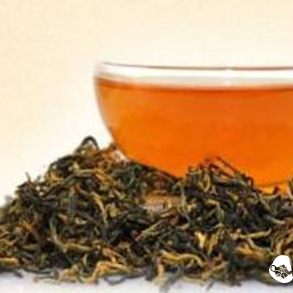
Maggu Tea is exceptionally fresh and fragrant, why is it also called Immortal Tea?
Maggu Tea, named after Maggu Mountain, has a legendary origin tied to the immortal Maggu. It is said that the immortal maiden Maggu, who attained enlightenment here during the Eastern Han Dynasty, often picked tender tea leaves and brewed them with the clear, sweet spring water from Shengong Spring...
Tea News · Feb 04, 2026
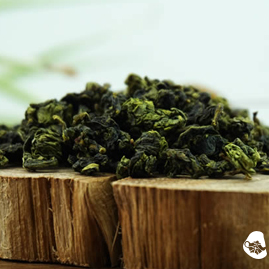
Unveiling the Four Major Production Methods of Anxi Tieguanyin: Zhengchao, Huiqing, Xiaoqing, Tuobu
Anxi Tieguanyin, one of China's top ten famous teas, is renowned for its meticulous and skillful production process. It combines the techniques of green and black tea production, resulting in a unique character that lies between the two. It possesses the rich flavor of black tea and the fresh, fragr...
Tea News · Feb 04, 2026
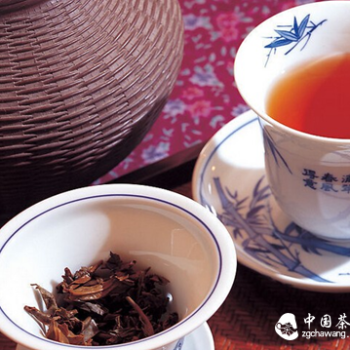
What tea is fresh and fragrant? What tea is strong and intense?
Teas can be broadly categorized based on their taste profiles into fresh/fragrant types and strong/intense types. Fresh and fragrant teas, such as Dongting Biluochun and Mengding Ganlu, are known for their clear, refreshing aroma and brisk, sweet taste, typically made from tender leaves processed pr...
Tea News · Feb 03, 2026
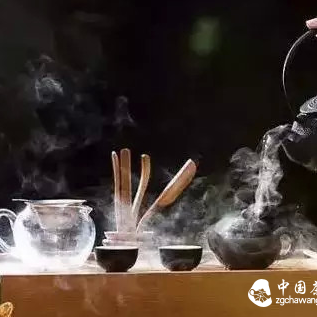
Is Good Tea Afraid of Boiling Water?
In the world of tea, there is a school of thought that recommends brewing tea with boiling water (close to 100°C . This raises the question: is good tea truly unafraid of boiling water? The article explores this by category. Aged teas like Pu'er and dark teas stored for over 10 years require boiling...
Tea News · Feb 02, 2026
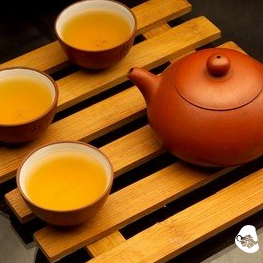
Drinking the Wrong Tea Can Be Fatal, Drinking Tea This Way Doubles Its Health Benefits
Drinking tea is one of the methods for health preservation. How can we maximize its benefits? Drinking tea at different times of the day yields different effects: a cup of flower tea in the morning helps refresh and detoxify; a cup of green tea in the afternoon aids in lowering blood lipids and prot...
Tea News · Jan 31, 2026
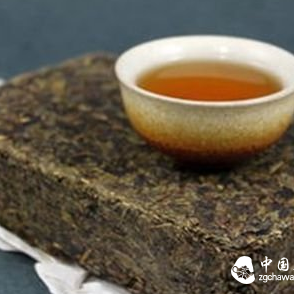
Shaanxi Jingyang Specialty Tea: Jingyang Fu Brick Tea
Jingyang Fu Brick Tea is a specialty black tea from Jingyang County, Shaanxi Province, renowned as the 'Mysterious Tea of the Ancient Silk Road.' This tightly pressed tea features a compact body, dark brown and oily sheen, abundant golden flowers (beneficial mold , a rich fungal aroma, orange-red tr...
Tea News · Jan 31, 2026
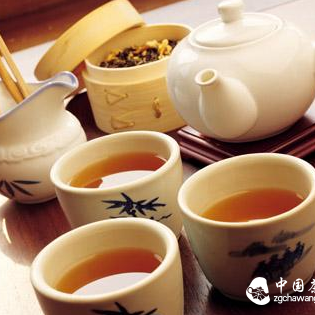
4 Best Times and 8 Major Taboos for Daily Tea Drinking
Tea drinking is a traditional Chinese custom with health benefits, but timing and methods are crucial. This article outlines the four optimal times for tea consumption: a floral tea at 9 AM to refresh and detoxify, green tea at 1 PM to aid digestion and protect blood vessels, and black tea at 6 PM t...
Tea News · Jan 30, 2026
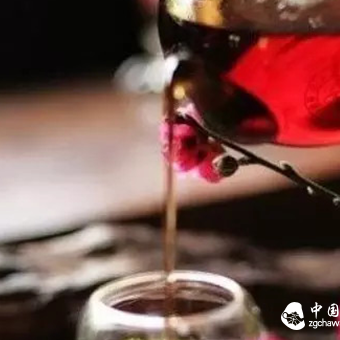
Black Tea with Eight Fragrances
A cup of black tea embodies its form, color, fragrance, and flavor. Appreciating a cup of black tea, combined with personal experience, allows one to initially savor its taste. Tea master Changshan has compiled eight fragrance types essential for black tea appreciation. These include the Pekoe fragr...
Tea News · Jan 29, 2026

The Secret of Brewing Tea: Identifying Tea Characteristics
The art of brewing tea begins with selecting and identifying the tea, as correct identification determines the brewing method. Tea can be classified in various ways: by harvest time (spring, summer, autumn , by growing elevation (high mountain, flatland , or most commonly by processing method into s...
Tea News · Jan 26, 2026