Interesting Little Knowledge About Tea
This article shares several interesting pieces of knowledge about tea tasting and selection. It explains the concept of 'water path' in tea drinking, which refers to the sensation felt in the swallowing passage when consuming tea broth. It also provides methods to distinguish between spring tea and...
Tea News · Mar 26, 2026
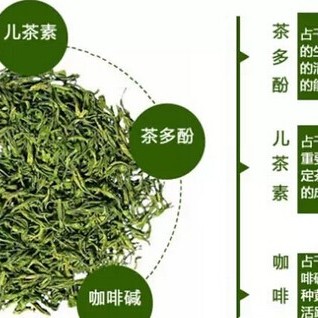
What is the Nutritional Value of Tea?
Tea contains a rich array of nutrients and health-promoting compounds. Analysis shows tea leaves contain up to 500 different compounds, including essential nutrients like vitamins, proteins, amino acids, and minerals, as well as bioactive components such as tea polyphenols and caffeine. Drinking tea...
Tea News · Mar 26, 2026

Do You Know These 10 Teas That Effectively Relieve Eye Strain?
Protecting our eyes shouldn't rely solely on eye drops; it's crucial to start with our daily dietary habits. So, how can we restore the sparkle to our eyes? For office workers, placing a cup of eye-care tea on the desk and drinking it regularly can be highly beneficial. It can improve vision and all...
Tea News · Mar 23, 2026

Winter Stomach Bloating and Pain Are Common. Drink a Cup of Osmanthus Tea to Warm Your Stomach.
In cold winter, many people experience stomach discomfort, especially those with a weak and cold spleen and stomach, who may suffer from recurring bloating and pain. Drinking osmanthus tea can help warm the stomach. Osmanthus is considered in traditional medicine to disperse cold. It is warm in natu...
Tea News · Mar 21, 2026
Five Major Health Benefits of Drinking Black Tea
Black tea, a popular daily beverage, offers numerous health advantages. It promotes diuresis, aiding in the elimination of toxins like uric acid and excess salts. Its anti-inflammatory properties help combat bacteria, while compounds in black tea can neutralize heavy metals. It also relieves thirst...
Tea News · Mar 21, 2026
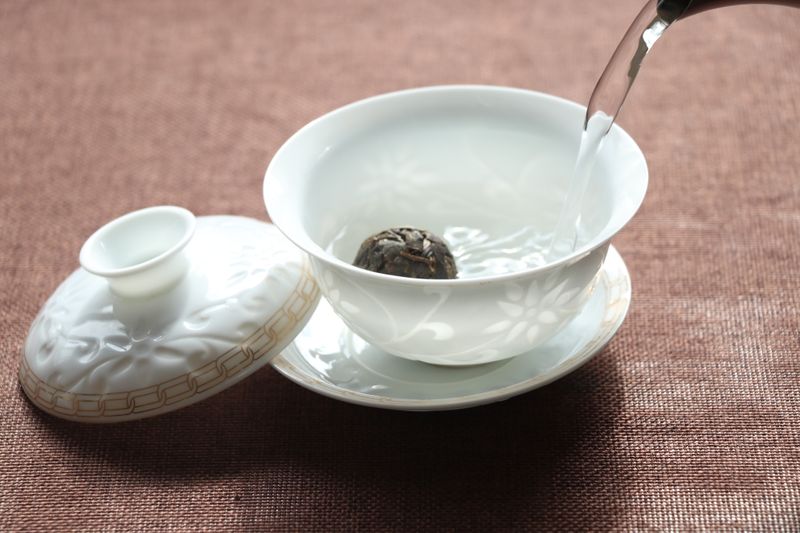
Several Types of Tea You Must Drink When Feeling Unwell!!!
When you're feeling under the weather, don't rush to take medicine. Sometimes, drinking tea can provide appropriate relief. The following four types of tea can address various discomforts. Black tea helps prevent flu, warm the body, and aid digestion. Green tea is excellent for clearing internal hea...
Tea News · Mar 20, 2026
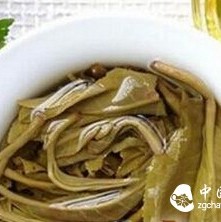
Pu'er Raw Tea, Green Tea, and Black Tea
The article shares the author's initial dislike for Pu'er tea due to its strong, bitter, and astringent taste, preferring lighter teas instead. This perception changed after trying a friend's lightly brewed raw Pu'er, which had a clear, mild flavor. The piece explains that Pu'er is not a single type...
Tea News · Mar 20, 2026
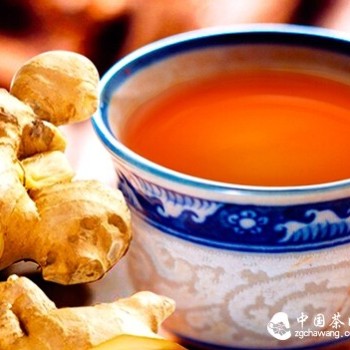
Drinking Ginger Tea Improves Blood Circulation How to Make Ginger Tea?
Ginger tea offers numerous health benefits and is an excellent wellness beverage. It can relieve nausea, promote digestion, reduce inflammation, clear nasal congestion, improve blood circulation, alleviate menstrual discomfort, boost the immune system, and help reduce stress. This article introduces...
Tea News · Mar 20, 2026
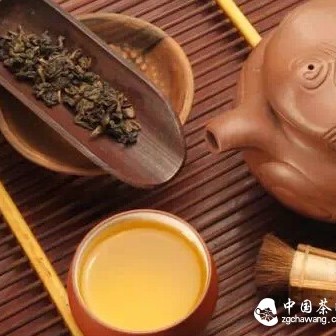
Identification of Black Tea Quality
This article provides a comprehensive guide to identifying the quality of different types of black tea, primarily categorized into Gongfu Black Tea, Souchong Black Tea, and Broken Black Tea. For each type, it details the evaluation criteria across several aspects: appearance, color, aroma, liquor co...
Tea News · Mar 20, 2026
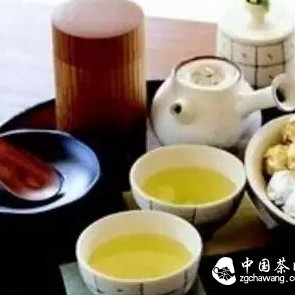
What Tea Is Good to Drink in the Morning, Afternoon, and Evening?
Different teas offer various health benefits, and drinking specific teas at different times of the day can optimize their effects. In the morning, after a night's rest, Black Tea is recommended to promote blood circulation, dispel cold, and enhance brain blood supply—always after breakfast. During t...
Tea News · Mar 17, 2026