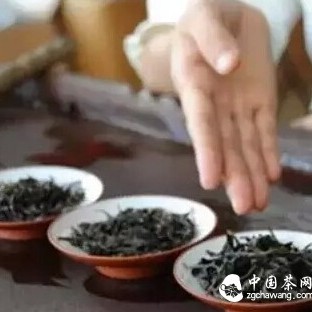
New Tea Cup Brewing, Old Teapot Steeping
Different types of tea require specific brewing methods and water temperatures. The principle 'old tea steeped in a pot, tender tea brewed in a cup' guides the choice of vessel: aged teas like Oolong and Black Tea are best brewed in porous vessels like Yixing clay teapots, while delicate, young teas...
Tea News · Mar 15, 2026
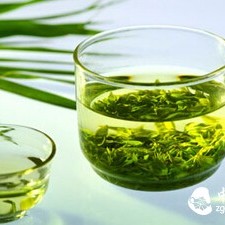
The Culture of China's Five Major Tea Categories
Chinese tea culture is deeply rooted in its processing techniques, particularly fermentation, which defines the tea's color, nutrients, and flavor. The five major tea categories—Green Tea, Black Tea, White Tea, Yellow Tea, and Dark Tea—correspond to the five elements (wood, fire, metal, earth, water...
Tea News · Mar 14, 2026
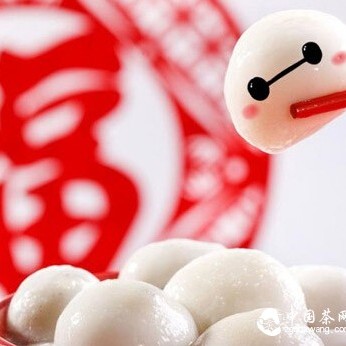
Tangyuan Too Greasy? Don't Worry, Tea is Here
The Lantern Festival, also known as Shangyuan Festival or Spring Lantern Festival, is a traditional Chinese folk holiday where eating tangyuan (sweet rice balls is customary. Modern tangyuan come in increasingly rich and delicious varieties, but their sweet, greasy, and glutinous nature can be hard...
Tea News · Mar 13, 2026
How Much Do You Know About China's Seven Major Tea Categories?
China's tea culture is profound, with teas traditionally categorized into seven major types based on processing methods and fermentation levels: Green Tea (unfermented , Black Tea (fully fermented , Oolong Tea (semi-fermented , Yellow Tea (lightly fermented , White Tea (minimally fermented , Dark Te...
Tea News · Mar 10, 2026
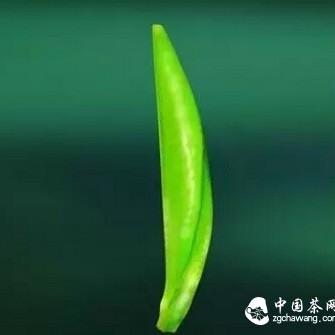
100 Questions on Tea Knowledge Encyclopedia? A Must-Read for Tea Enthusiasts
This article serves as a comprehensive tea knowledge encyclopedia, answering 100 essential questions for tea enthusiasts. It systematically introduces the definition, characteristics, classification, and representative varieties of major tea categories, including green tea, black tea, and oolong tea...
Tea News · Mar 08, 2026
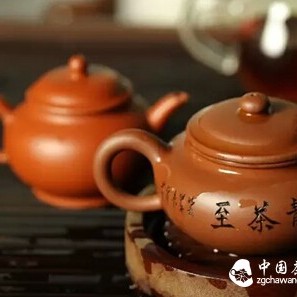
You Must Break These Bad Habits When Drinking Tea!!!
While drinking tea can promote health, it's crucial to remember that there are also taboos associated with it. Developing bad tea-drinking habits can lead to adverse effects. Key points to avoid include drinking tea on an empty stomach, which can dilute gastric juices and cause dizziness or weakness...
Tea News · Mar 04, 2026
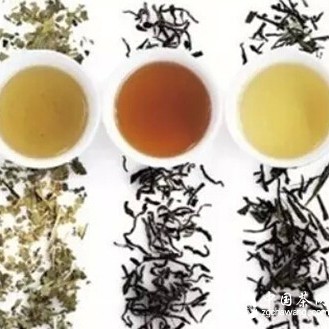
【Tea Knowledge: Tea Classification】6 Types of Commercial Tea
Chinese tea is primarily classified into six major categories based on processing methods and fermentation levels. Green Tea, the earliest tea type, is unfermented, known for its fresh, vegetal flavor and health benefits. Black Tea is fully fermented, characterized by its red liquor and robust, malt...
Tea News · Mar 04, 2026
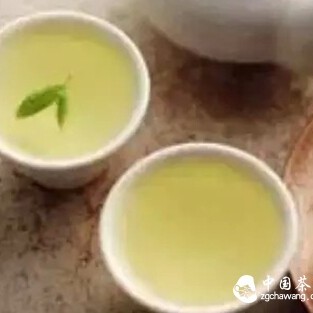
How to Drink Tea for Benefits Without Harm
Traditional Chinese Medicine suggests that different teas possess varying properties, such as cooling or warming. To maximize benefits and avoid harm, it's crucial to choose teas that match one's physical constitution and be aware of potential 'pitfalls.' For instance, individuals with a heaty const...
Tea News · Mar 03, 2026

What are the main tea-producing regions?
China boasts a vast array of tea-producing regions, each renowned for unique varieties. Major provinces include Anhui, famous for Keemun black tea and Huangshan Maofeng; Zhejiang, the home of Longjing (Dragon Well tea; Fujian, celebrated for its oolongs like Tieguanyin and Da Hong Pao, as well as w...
Tea News · Mar 03, 2026

This "Gongfu Tea" is not that "Kung Fu Tea"
The terms "Gongfu Tea" and "Kung Fu Tea" are homophones in Chinese, leading to frequent confusion, but they refer to distinct concepts in the tea world. "Gongfu Tea" historically denotes a category of meticulously processed, high-quality black tea (and some Wuyi rock teas , where "Gongfu" implies th...
Tea News · Mar 02, 2026