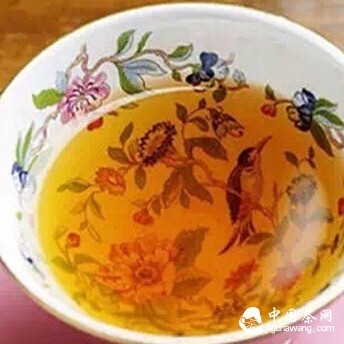
When is the best time to drink tea before or after a meal?
Many people have the habit of drinking tea immediately after a meal, but this can lead to indigestion and potentially increase the risk of developing stones. So, when is the best time to drink tea after eating? It is recommended to wait at least half an hour, preferably one to one and a half hours a...
Tea News · Apr 08, 2026
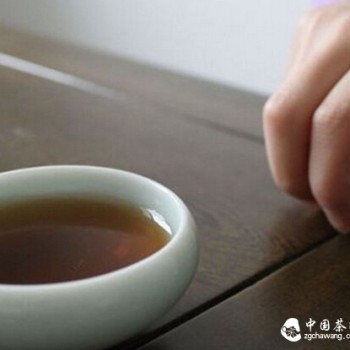
The Origin and Etiquette of the Finger-Tapping Salute
The Finger-Tapping Salute is a traditional Chinese gesture of gratitude, commonly used when someone pours tea for you. Its origin is traced back to an anecdote from the Qianlong Emperor's reign during the Qing Dynasty. While traveling incognito in the south, the emperor devised this discreet gesture...
Tea News · Apr 07, 2026
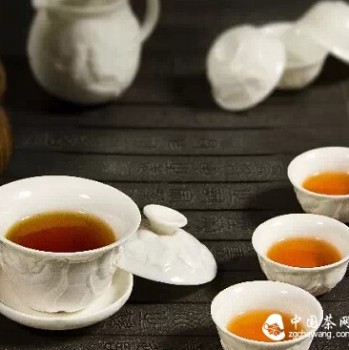
Do you know what kind of cup to use for drinking tea?
Tea drinking for health preservation is increasingly becoming a choice for many working professionals. Whether it's black tea, green tea, or scented tea, choosing the right vessel for brewing is essential. Using the wrong cup can not only damage the inherent elements of the tea but may also pose hea...
Tea News · Apr 06, 2026
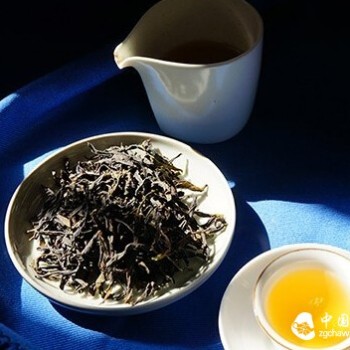
Never Drink Tea Again, Its 'Harm' Is Even Greater Than Drugs!
This article humorously warns against drinking tea by listing its 'dangers' in a satirical tone. It claims that once you start drinking tea, you'll find other beverages unpalatable, as tea is the only additive-free drink. You might stop gaining weight due to its fat-cutting properties, become obsess...
Tea News · Apr 06, 2026
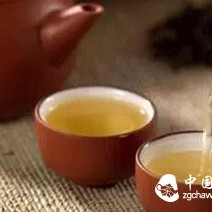
Attention, Don't Drink These 10 Types of Tea!
Tea is a traditional beverage in China, enjoyed by many for its nutritional benefits and refreshing properties. However, for the sake of health, there are ten types of tea that should be avoided. These include spoiled tea, which contains harmful substances; the first brew, which may wash off contami...
Tea News · Apr 05, 2026
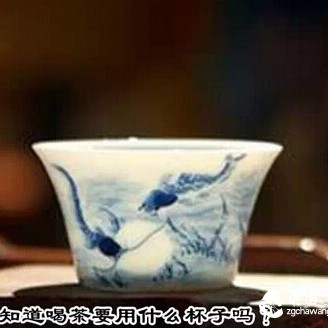
Do You Know What Kind of Cup to Use for Drinking Tea?
Choosing the right cup is essential for tea drinking and health preservation. Different tea wares, such as pottery, porcelain, glass, and purple clay, are suited for various types of tea. Pottery teaware, like the famous Yixing purple clay teapot, is ideal for semi-fermented teas like Oolong and Tie...
Tea News · Apr 05, 2026
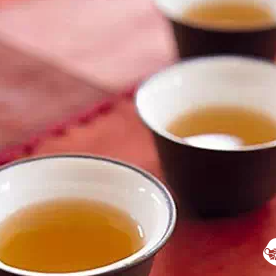
How Much Do You Know About Tea Language
Chinese tea culture is profound and carries its own unique 'tea language'—a set of unspoken rules and etiquette observed during tea serving and drinking. Key principles include: never fill a teacup to the brim, as hot tea may scald the guest; serve tea in order of seniority and guest-first priority;...
Tea News · Apr 05, 2026
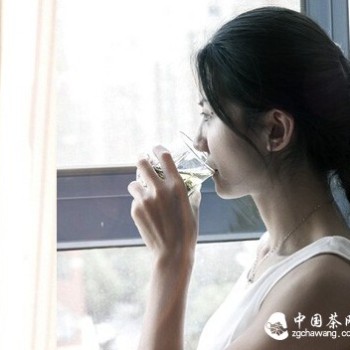
Drinking Tea: Do Six Things Right, and Tea Will Undoubtedly Boost Your Health!
Tea, a natural beverage gifted by nature, has been utilized by humans for over 5,000 years. It contains tannic acid, theophylline, caffeine, aromatic oils, various vitamins, chlorophyll, and other components. Moderate consumption can quench thirst, dispel dampness and heat, refresh the mind, and pro...
Tea News · Apr 05, 2026
How to Drink Tea for Only Benefits, No Harm!
Traditional Chinese Medicine believes that different teas have different properties, such as cold, warm, or hot natures. People with different body constitutions should choose teas that correspond to their own bodies. It's important to know the 'pitfalls' of tea drinking to maximize benefits and avo...
Tea News · Apr 04, 2026
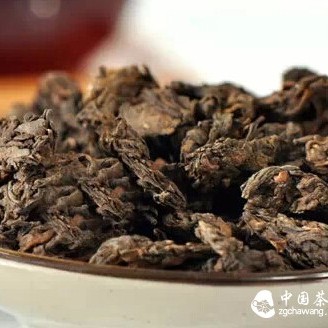
Old Tea Head
Old Tea Head is a special type of ripened Pu-erh tea. It forms during the fermentation process of Pu-erh tea, characterized by high tenderness, small size, and tightly knotted strips. During fermentation, after moistening, the tea leaves become soft and the透气性 between tea masses decreases, making th...
Tea News · Apr 04, 2026