Tea Knowledge | The Origin of the Name Oolong Tea
Oolong tea, also known as 'Qing Cha' (dark tea , occupies a unique space between green and black teas. Its name has various legendary origins, one popular story attributing it to a hunter named 'Wu Long' (Black Dragon who accidentally discovered the special processing method after a day of hunting....
Tea News · Apr 11, 2026
The Four Principles of Tea Drinking: "Early, Little, Light, and Warm"
Tea drinking is a long-standing tradition in China, offering numerous benefits due to its rich composition of over 600 chemical compounds. It aids in health preservation, wellness, beauty, weight loss, and even disease prevention. However, misconceptions about tea can pose health risks, especially f...
Tea News · Apr 11, 2026
Chemical Composition of Tea
Tea contains various chemical substances, including amino acids, carbohydrates, trace elements, caffeine, and tea polyphenols, which constitute the unique color and flavor of tea. During processing, the moisture content is reduced from about 75% to approximately 3%. In the fermentation (oxidation s...
Tea News · Apr 11, 2026
Want to Buy Authentic Da Hong Pao? Teach You How to Identify Authenticity and Quality
The quality of Wuyi Da Hong Pao is determined by the characteristics of the tea leaves, which are evaluated based on four factors: color, aroma, taste, and shape. High-quality tea typically exhibits uniform color, a rich and pleasant aroma, a mellow and full-bodied taste, and well-formed leaves. In...
Tea News · Apr 10, 2026
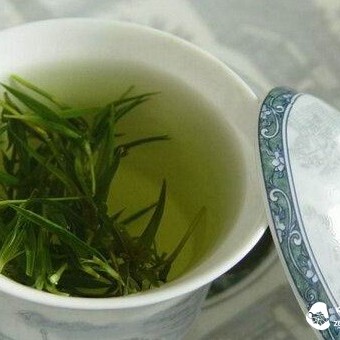
The Mystery of Tea's Sweet Aftertaste, Do You Know?
Tea lovers often notice a slight bitterness when drinking tea, leading some to mistakenly believe such tea is of poor quality. In fact, bitterness alone does not indicate inferior tea; the key lies in whether a sweet aftertaste follows the bitterness. The phenomenon of 'sweet aftertaste' is a natura...
Tea News · Apr 10, 2026

Chinese Tea History, Culture, and Cultivation Introduction
The origin of tea drinking in China is widely debated, with theories tracing it back to the mythical Shennong, the Zhou, Qin, Han, or Three Kingdoms periods. The character for 'tea' evolved from '荼' to '茶', a simplification formalized by Lu Yu in the Tang Dynasty in his Classic of Tea, though the ch...
Tea News · Apr 10, 2026
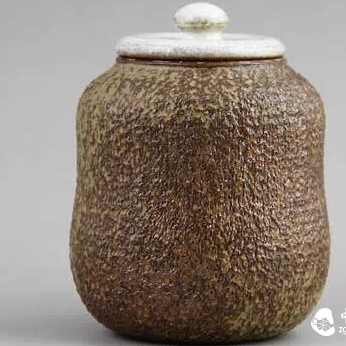
How to Store Tea to Retain Its Fragrance
Proper storage is crucial to prevent tea from losing its delicate fragrance. For those who enjoy tea, it's advisable to buy and consume it promptly. When storing tea at home, four key principles should be followed: avoid moisture, keep it in a cool and dark place, store it separately from strong-sme...
Tea News · Apr 10, 2026

Why Don't Western Countries Drink Chinese Tea?
Tea has a history of over 1,200 years in China and thrives domestically, yet struggles to gain a foothold internationally. Despite having the world's largest tea cultivation area and second-highest production, China lacks globally recognized tea brands. When many foreigners think of tea, Japan often...
Tea News · Apr 09, 2026
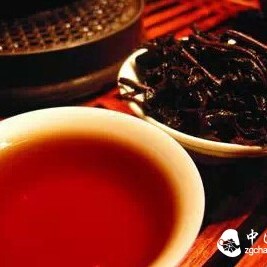
Drinking Pu-erh Tea After Dinner Flushes Out Large Amounts of Carcinogens
Research indicates that drinking a cup of Pu-erh tea after dinner can help the body expel a significant amount of accumulated carcinogens. Studies show that potent carcinogens like polycyclic aromatic hydrocarbons, which accumulate from activities such as smoking or eating grilled foods, are signifi...
Tea News · Apr 09, 2026
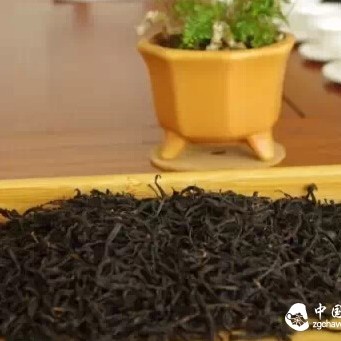
In-Depth Look at Black Tea: Lapsang Souchong
Lapsang Souchong is recognized as the originator of Chinese black tea and also the world's first black tea. Created in the early 17th century, it originated in Tongmu Guan, Chong'an, Fujian (now Tongmu Village within the Wuyishan National Nature Reserve . Initially developed from folk medicinal use,...
Tea News · Apr 09, 2026