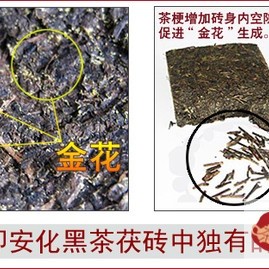
Nutrition Hidden in Coarse Old Leaves
Dark tea, known for its ability to relieve greasiness and aid digestion, is made from coarse old leaves. These leaves are rich in woody fiber, which enhances intestinal motility and repairs gut function. They also contain 5–10 times more tea polysaccharides than tender leaves, helping to lower blood...
Tea News · Dec 11, 2025
Why Does Drinking Pu-erh Tea Cause Diarrhea?
Pu-erh tea is a natural weight-loss product favored by many women seeking beauty and slimming. However, some people experience diarrhea after drinking it. Why does this happen? Tea, especially Pu-erh tea, has excellent health benefits. Originally a daily beverage in border regions, it has now become...
Tea News · Dec 11, 2025
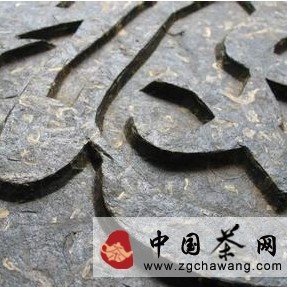
Why Pu-erh Tea Cakes Are Compressed Instead of Stored Loose
Pu-erh tea is traditionally compressed into cake form rather than stored loose primarily to better preserve its aroma and flavor over time. While modern technology allows for loose storage, compression remains the norm. Historically, tight compression facilitated transportation and reduced losses du...
Tea News · Dec 11, 2025
The Aroma of Pu-erh Tea: Refreshing and Heartwarming
The aroma of Pu-erh tea is not overly pronounced when brewed, but over time, one can discern whether it is a fine tea. The lingering fragrance at the bottom of the cup is another enchanting aspect of Pu-erh tea, evoking notes of honey, floral, fruity, or camphor-like scents that are truly mouthwater...
Tea News · Dec 10, 2025
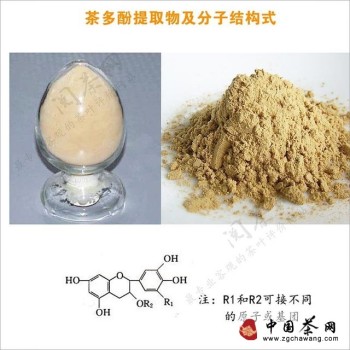
Tea Knowledge: Tea Polyphenols
Tea polyphenols, also known as tea tannins, are a group of polyphenolic compounds found in tea leaves, including flavanols, anthocyanins, flavonoids, flavonols, and phenolic acids. Among these, flavanols (catechins are the most significant, accounting for about 70% of the total tea polyphenols. The...
Tea News · Dec 09, 2025
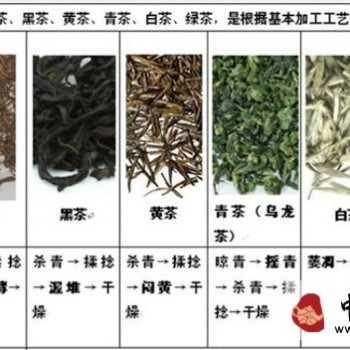
Debunking Misconceptions: Six Major Tea Categories, All Originating from Processing Techniques
There is a common misconception that the six major tea categories are classified by fermentation degree. In fact, Chinese tea classification is fundamentally based on processing techniques, with other factors serving only as references. For instance, Taiwan Oriental Beauty tea is technically an oolo...
Tea News · Dec 08, 2025
Fu Tea, the Tea of Good Fortune
Fu Tea, a fully fermented dark tea, is known as the 'medicine for ten thousand diseases' in ancient times. Modern research confirms its efficacy against contemporary ailments like hypertension, hyperlipidemia, and diabetes, largely due to its unique microbial component, Eurotium cristatum. Tradition...
Tea News · Dec 08, 2025
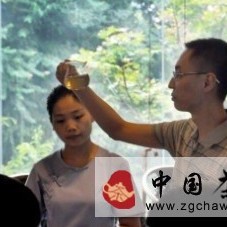
Xiao Chen on Tea: The Emperor's New Clothes - Tea Qi
Xiao Chen, a tea enthusiast from Shanghai, began learning tea art at eight and tea evaluation in his youth. He frequently visits major tea markets and shares his reflections in 'Tea Words Observing the World.' He argues that discussing tea must first be grounded in proper principles to truly appreci...
Tea News · Dec 07, 2025
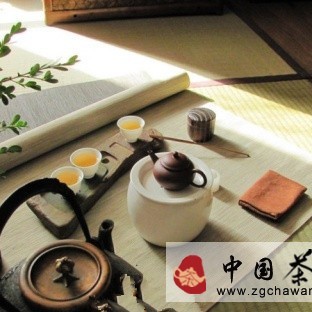
Why Use Different Tea Sets for Different Teas
The choice of tea set significantly impacts the tea-drinking experience. Different teas have unique characteristics that are best highlighted by specific utensils. For delicate green and white teas made from buds, glass cups are ideal for appreciating their visual beauty and producing a fresh, sweet...
Tea News · Dec 06, 2025
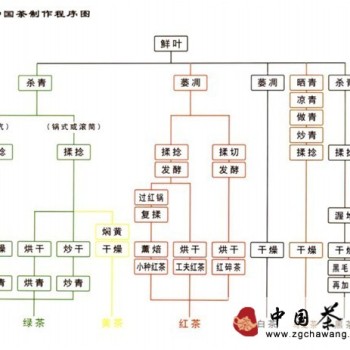
The Production Process of China's Six Major Tea Categories
This article introduces the fundamental production processes that distinguish China's six major tea categories. It explains key procedures such as withering, which allows oxidation through catechins and enzymes; fixation (kill-green , which halts fermentation by deactivating enzymes; rolling, which...
Tea News · Dec 06, 2025