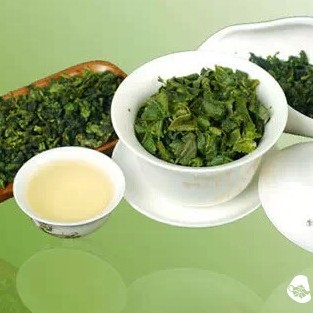
Tea Should Not Be Drunk Casually, Please Note These Taboos
This article outlines key drinking taboos for four major types of tea: Oolong, Pu'er, Green, and Chrysanthemum tea. It advises against drinking tea on an empty stomach, right before or after meals, or before sleep. Specific warnings include avoiding overnight tea, overly strong tea, and tea made fro...
Tea News · Apr 06, 2026
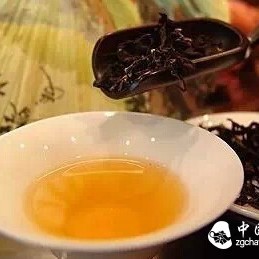
Brew a Pot of Dancong Tea, Savor the Secret of Chaoshan People's Beauty
Phoenix Dancong tea, a type of oolong tea originating from Chaozhou, Guangdong, is renowned for its unique and unforgettable aroma that distinguishes it from other teas. Created in the Ming Dynasty, it is harvested and processed from individual tea bushes in the Wudong Mountain area of Fenghuang Tow...
Tea News · Apr 06, 2026
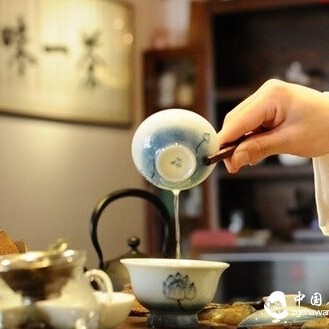
What should be paid attention to when drinking new tea?
For experienced tea drinkers, evaluating new tea involves paying attention to several key aspects. Firstly, assess the initial sensation upon entry: is it pleasantly light or unpleasantly bitter? While some bitterness is expected, the tea should still offer a gentle, agreeable feel. Secondly, observ...
Tea News · Apr 06, 2026
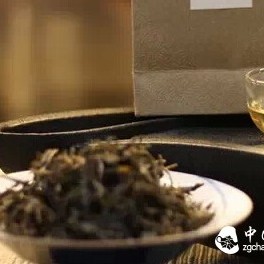
How Much Do You Know About Ripe Pu-erh Tea?
Ripe Pu-erh tea, a fermented tea, is often misunderstood as being too 'heating' for summer consumption. However, its nature is actually mild or warm, not hot. Whether it's suitable for summer depends on individual constitution and environment, especially with widespread air conditioning. Some initia...
Tea News · Apr 06, 2026
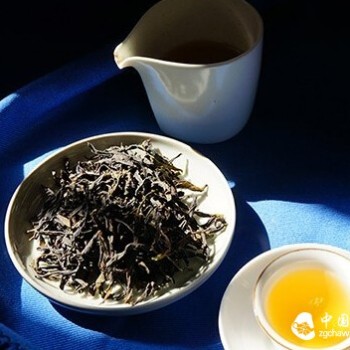
Never Drink Tea Again, Its 'Harm' Is Even Greater Than Drugs!
This article humorously warns against drinking tea by listing its 'dangers' in a satirical tone. It claims that once you start drinking tea, you'll find other beverages unpalatable, as tea is the only additive-free drink. You might stop gaining weight due to its fat-cutting properties, become obsess...
Tea News · Apr 06, 2026
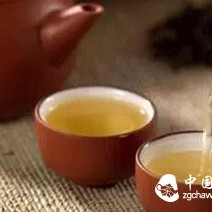
Attention, Don't Drink These 10 Types of Tea!
Tea is a traditional beverage in China, enjoyed by many for its nutritional benefits and refreshing properties. However, for the sake of health, there are ten types of tea that should be avoided. These include spoiled tea, which contains harmful substances; the first brew, which may wash off contami...
Tea News · Apr 05, 2026
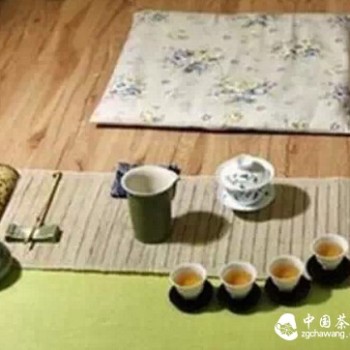
Tea is like first love, once you drink it, you can never go back
Have you ever wondered why the same tea tastes different each time you brew it? This article explains the key factors affecting tea flavor consistency. It highlights how weather conditions during processing, such as sunlight exposure and fermentation, influence the tea's aroma. Your environment and...
Tea News · Apr 05, 2026
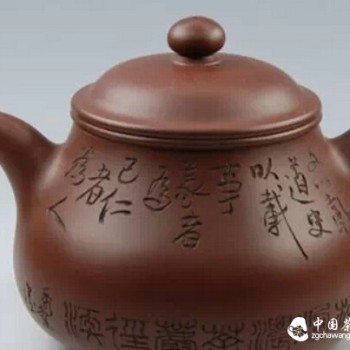
Simple Identification Methods for Yixing Teapots
Yixing teapots, made from unique purple clay, become more lustrous with prolonged use due to the tea's nourishing effect during brewing. They exhibit excellent thermal shock resistance, allowing safe use on stoves or in microwaves without cracking. The material retains heat well, preventing scalding...
Tea News · Apr 05, 2026
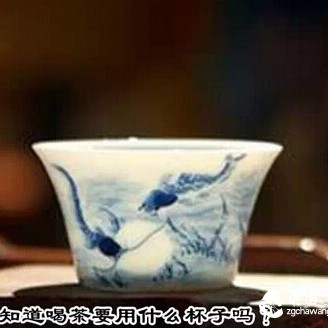
Do You Know What Kind of Cup to Use for Drinking Tea?
Choosing the right cup is essential for tea drinking and health preservation. Different tea wares, such as pottery, porcelain, glass, and purple clay, are suited for various types of tea. Pottery teaware, like the famous Yixing purple clay teapot, is ideal for semi-fermented teas like Oolong and Tie...
Tea News · Apr 05, 2026
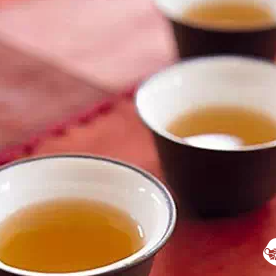
How Much Do You Know About Tea Language
Chinese tea culture is profound and carries its own unique 'tea language'—a set of unspoken rules and etiquette observed during tea serving and drinking. Key principles include: never fill a teacup to the brim, as hot tea may scald the guest; serve tea in order of seniority and guest-first priority;...
Tea News · Apr 05, 2026