
Tea Counteracts Tobacco Toxins: If You Smoke, Be Sure to Drink More Tea
Smoking causes severe health damage, including cancer and other diseases. For smokers who find it difficult to quit, drinking tea can help mitigate some of the harm. Tea contains compounds like polyphenols and vitamin C, which can degrade harmful substances in tobacco, reduce cancer risk, counteract...
Tea News · Apr 08, 2026
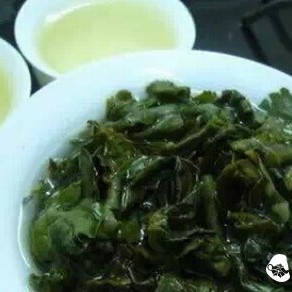
How to Distinguish Between the Strong Aroma and Light Aroma of Tieguanyin?
Tieguanyin, a famous Chinese oolong tea, is primarily divided into two main aroma types: Strong Aroma and Light Aroma. The key differences lie in their processing, appearance, and sensory profile. Strong Aroma Tieguanyin undergoes heavier roasting, resulting in a dark brown to near-black dry leaf, a...
Tea News · Apr 08, 2026
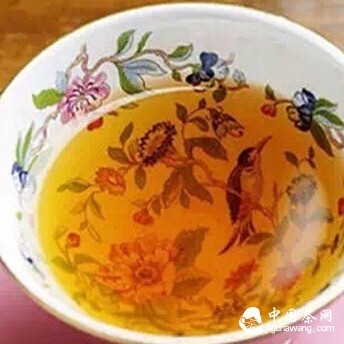
When is the best time to drink tea before or after a meal?
Many people have the habit of drinking tea immediately after a meal, but this can lead to indigestion and potentially increase the risk of developing stones. So, when is the best time to drink tea after eating? It is recommended to wait at least half an hour, preferably one to one and a half hours a...
Tea News · Apr 08, 2026
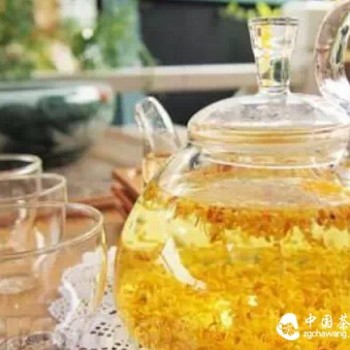
Drinking This Type of Tea Can Effectively Eliminate Bad Breath
Bad breath is an embarrassing issue often caused by stomach fire, dampness, and phlegm in traditional Chinese medicine. Osmanthus flowers, rich in aromatic compounds, can neutralize foul odors in the mouth, while tea is effective in reducing internal heat, promoting diuresis, resolving phlegm, and h...
Tea News · Apr 08, 2026

Health Knowledge: 7 Basic Indicators of Physical Health
If you experience physical discomfort, you may worry about having a serious illness, but your body might be healthier than you think. According to a report from Fox News, if your body exhibits the following seven signs, it indicates that it is functioning well. These include relatively clear and abu...
Tea News · Apr 08, 2026
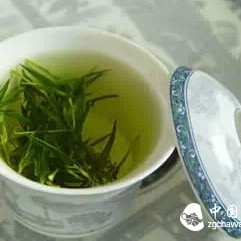
The Awakening Methods for Raw Tea and Ripe Tea
The methods for awakening raw Pu-erh tea and ripe Pu-erh tea differ, and the purpose of awakening varies between tea stored for aging and tea prepared for immediate brewing. For raw Pu-erh stored in semi-sealed containers like purple clay jars, awakening involves exposing the tea to an open environm...
Tea News · Apr 08, 2026
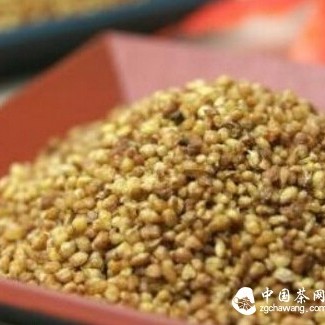
5 Benefits of Drinking Buckwheat Tea, Detailed Explanation of the Efficacy and Effects of Buckwheat Tea
Buckwheat tea is gaining popularity for its numerous health benefits. This article details five key advantages of consuming buckwheat tea. It highlights how compounds like rutin in buckwheat tea can help purify and improve blood circulation, protect capillaries, and lower blood lipids. Furthermore,...
Tea News · Apr 07, 2026
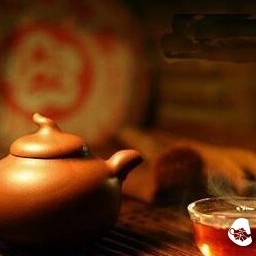
Five Essential Aspects to Get You Started on Dark Tea Appreciation
Getting started with dark tea appreciation is straightforward if you focus on five key aspects. First, observe the tea liquor's color, which should be a clear, bright red or orange-yellow. Second, identify the aroma: authentic dark tea has a distinctive fermented, sweet wine-like scent, with Fu Bric...
Tea News · Apr 07, 2026
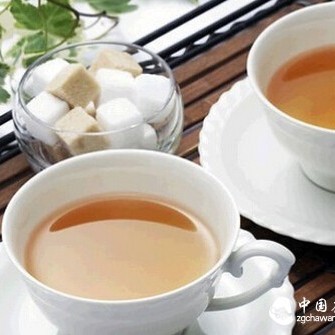
20 Precautions for Drinking Tea
While tea is a healthy beverage, its consumption should be tailored to individual health conditions. Key precautions include avoiding tea when having a fever, as caffeine can raise body temperature and reduce drug efficacy. Those with liver issues, nervous exhaustion, or ulcers should drink cautious...
Tea News · Apr 07, 2026
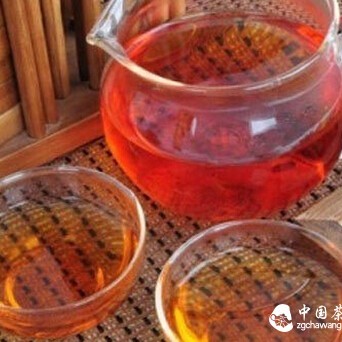
Common Knowledge for Brewing and Drinking Kunlun Snow Chrysanthemum Tea
Kunlun Snow Chrysanthemum tea is a natural health beverage known for its five major benefits: regulating blood pressure, lipids, and blood sugar; aiding weight loss and skincare; offering antibacterial and anti-inflammatory effects; nourishing the heart muscle; and improving sleep quality. To fully...
Tea News · Apr 07, 2026