
Do You Really Understand British Afternoon Tea?
British afternoon tea, also known as Victorian afternoon tea, originated in the 19th century during the Victorian era. As the British Empire expanded and prospered, the upper class sought refined pursuits to fill their leisure time. The tradition began when Anna Maria, a duchess, started having tea...
Tea News · Apr 06, 2026
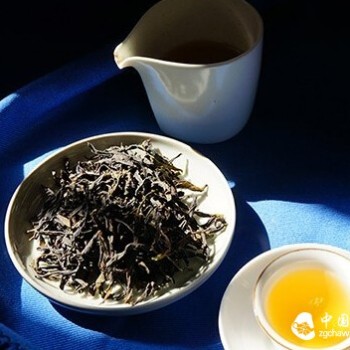
Never Drink Tea Again, Its 'Harm' Is Even Greater Than Drugs!
This article humorously warns against drinking tea by listing its 'dangers' in a satirical tone. It claims that once you start drinking tea, you'll find other beverages unpalatable, as tea is the only additive-free drink. You might stop gaining weight due to its fat-cutting properties, become obsess...
Tea News · Apr 06, 2026
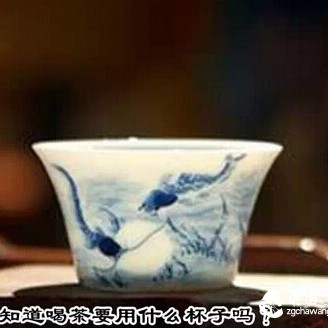
Do You Know What Kind of Cup to Use for Drinking Tea?
Choosing the right cup is essential for tea drinking and health preservation. Different tea wares, such as pottery, porcelain, glass, and purple clay, are suited for various types of tea. Pottery teaware, like the famous Yixing purple clay teapot, is ideal for semi-fermented teas like Oolong and Tie...
Tea News · Apr 05, 2026
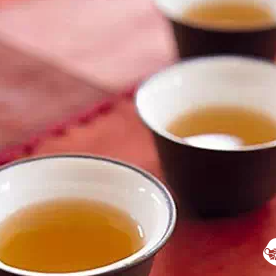
How Much Do You Know About Tea Language
Chinese tea culture is profound and carries its own unique 'tea language'—a set of unspoken rules and etiquette observed during tea serving and drinking. Key principles include: never fill a teacup to the brim, as hot tea may scald the guest; serve tea in order of seniority and guest-first priority;...
Tea News · Apr 05, 2026

How to Drink Tea for Only Benefits, No Harm!
Traditional Chinese Medicine believes that different teas have different properties, such as cold, warm, or hot natures. People with different body constitutions should choose teas that correspond to their own bodies. It's important to know the 'pitfalls' of tea drinking to maximize benefits and avo...
Tea News · Apr 04, 2026
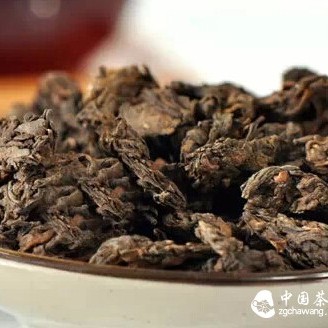
Old Tea Head
Old Tea Head is a special type of ripened Pu-erh tea. It forms during the fermentation process of Pu-erh tea, characterized by high tenderness, small size, and tightly knotted strips. During fermentation, after moistening, the tea leaves become soft and the透气性 between tea masses decreases, making th...
Tea News · Apr 04, 2026
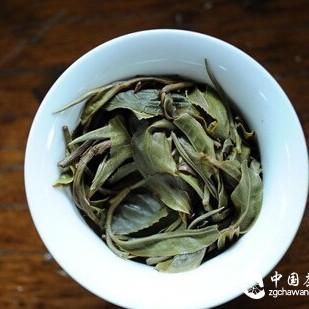
The Cultivation of Fine Tea: Seventeen Major Hurdles to Overcome
The quality of tea is determined by its inherent composition, aroma, taste, shape, color, and chemical changes. Numerous factors influence tea quality, which can be summarized into 17 key aspects. These include the tea variety, soil conditions, climate, tree type and natural growth patterns, sunligh...
Tea News · Apr 04, 2026
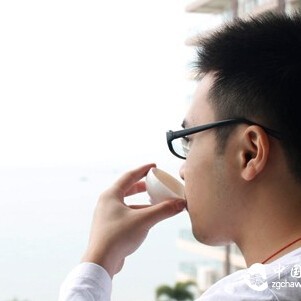
Why Do You Drink Tea?
For the author, drinking tea is a form of self-perception in life—it's not about loving tea itself, but about loving the self while savoring it. Tea tasting is a pleasure, a pastime, and an indulgence. In moments of tranquility, brewing a cup of tea allows one to immerse in its subtle fragrance, as...
Tea News · Apr 03, 2026
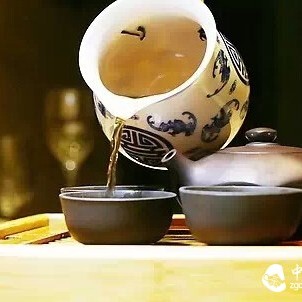
Get Rid of These Bad Tea Drinking Habits, and Let Your Body Say YES!
Tea drinking can promote health, but it's important to remember that there are taboos. Developing bad tea drinking habits can lead to adverse effects. This article compiles advice from traditional Chinese medicine on several common bad tea drinking habits. Correcting these habits will allow your bod...
Tea News · Mar 31, 2026
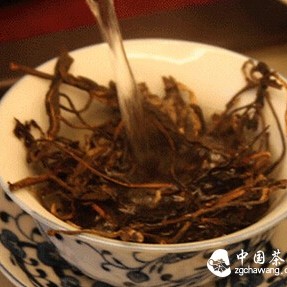
A Comprehensive Collection of Pu-erh Tea Drinking Methods
Pu-erh tea is renowned not only for its quality but also for its unique drinking methods and remarkable health benefits. The basic ways to enjoy it are 'brewing' (which includes steeping and infusing and 'boiling'. Loose-leaf Pu-erh is typically brewed, while compressed Pu-erh is best boiled in an...
Tea News · Mar 30, 2026