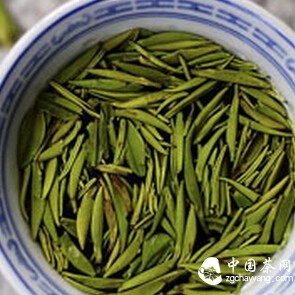
Top Ten Famous Chinese Teas: Yueyang Junshan Silver Needle
Junshan Silver Needle is one of China's renowned yellow teas, with origins dating back to the Tang Dynasty. It became a tribute tea during the Qing Dynasty. Grown on Junshan Island in Dongting Lake, Yueyang, Hunan, this tea is celebrated for its clear, high aroma, mellow and sweet taste, and bright...
Tea News · Mar 06, 2026
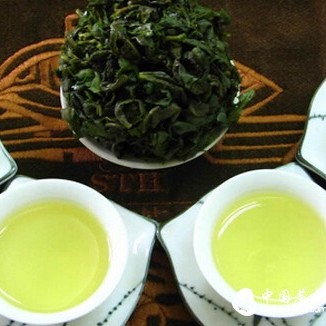
Anxi Tieguanyin: One of China's Top Ten Famous Teas
Anxi Tieguanyin belongs to the green tea category and is one of China's renowned Oolong teas. It originates from Anxi County in Fujian Province and boasts a long history, often hailed as the 'King of Teas.' Its origins trace back to the Qing Dynasty's Yongzheng era (1725-1735 . Anxi County's mountai...
Tea News · Mar 06, 2026
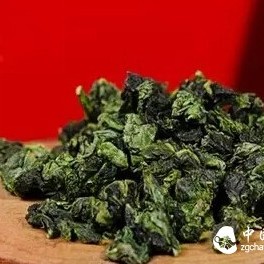
What are the health benefits of drinking Tieguanyin tea?
Nutrition experts from the Quanzhou Nutritionist Association recently analyzed the health benefits of traditionally processed Anxi Tieguanyin tea. They highlighted that this type of tea, made through a heavy shaking and fermentation process, has a golden soup color, a distinct "Guanyin charm," and a...
Tea News · Mar 05, 2026
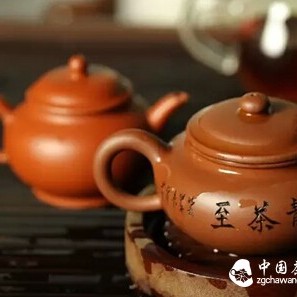
You Must Break These Bad Habits When Drinking Tea!!!
While drinking tea can promote health, it's crucial to remember that there are also taboos associated with it. Developing bad tea-drinking habits can lead to adverse effects. Key points to avoid include drinking tea on an empty stomach, which can dilute gastric juices and cause dizziness or weakness...
Tea News · Mar 04, 2026
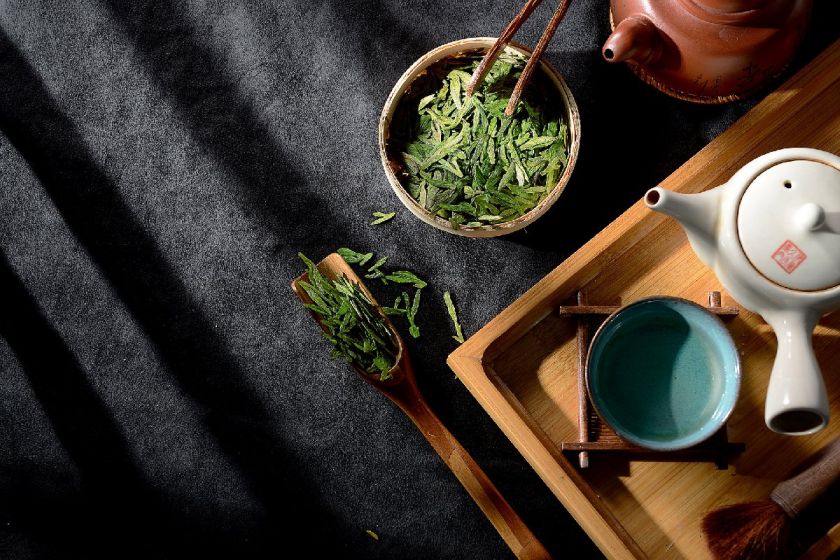
Office Workers Combat Radiation by Drinking More Tea: 4 Cups a Day
In modern society, with air pollution, water quality degradation, and changing dietary habits, various toxins accumulate in the body and cannot be naturally metabolized and expelled. Over time, this leads to various sub-health conditions. If not properly addressed, these may develop into illnesses....
Tea News · Mar 04, 2026
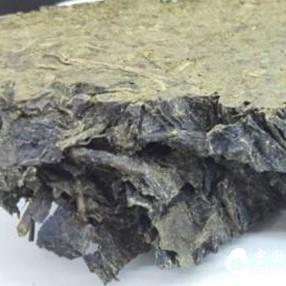
Why is Dark Tea So Popular?
Dark tea is increasingly favored by many people for its unique characteristics. The preference for dark tea stems not only from its specific health benefits but also from several key advantages. Firstly, dark tea is mild in nature and gentle on the stomach, making it suitable for modern lifestyles o...
Tea News · Mar 04, 2026
How to Drink Tea for Benefits Without Harm
Traditional Chinese Medicine suggests that different teas possess varying properties, such as cooling or warming. To maximize benefits and avoid harm, it's crucial to choose teas that match one's physical constitution and be aware of potential 'pitfalls.' For instance, individuals with a heaty const...
Tea News · Mar 03, 2026

Drinking tea like this can cure all diseases, very informative!
This article introduces a series of traditional Chinese medicinal tea formulas, primarily featuring ingredients like goji berries and rehmannia root, combined with green tea or other herbs. These formulas are claimed to have various health benefits, such as nourishing the liver and kidneys, improvin...
Tea News · Mar 03, 2026
Can Tea Actually Whiten the Skin? Everyone Should Learn This!
In the realm of beauty and skincare, a growing number of people are turning to natural skincare methods, moving away from products with various chemical elements and opting for safe, non-irritating approaches. Tea, an essential beverage in daily life, can also be a great helper for whitening and red...
Tea News · Mar 03, 2026
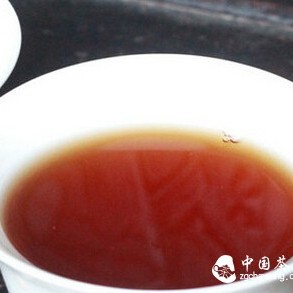
Homemade Weight Loss Tea, Let's Take a Look Together
This article introduces several types of homemade teas believed to aid in weight loss. It highlights Pu-erh tea for boosting digestion and metabolism to reduce belly fat, peach blossom tea for eliminating abdominal fat and skin dark spots, lotus leaf tea for its diuretic and fat-burning properties w...
Tea News · Mar 03, 2026