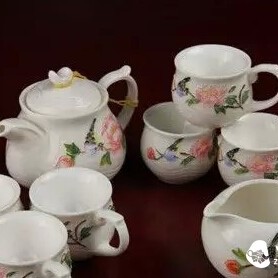
Detailed Explanation of the Seven Wonders of Pu-erh Tea
Pu-erh tea, a post-fermented tea often called a 'drinkable antique,' improves with age. With a history of over 2,100 years in Yunnan, it is known for its mild nature, durability in brewing, and a reddish-brown, clear liquor offering mellow, sweet, and smooth flavors. It comes in raw (sheng and ripe...
Tea News · Mar 15, 2026
What Tea Do People Drink in 21 Regions of the World?
Tea drinking is a cherished custom across the globe, with each region boasting its own unique traditions and preferred varieties. From Japan's ceremonial matcha and India's ancient spiced chai to Britain's classic milk tea and Turkey's ubiquitous rock tea, the world of tea is incredibly diverse. Thi...
Tea News · Mar 14, 2026
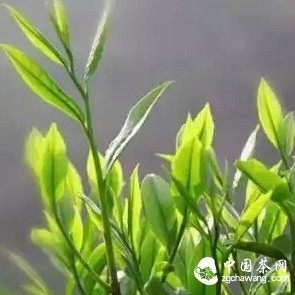
Why is Early Spring Tea Delicious?
As spring arrives, early spring green tea from many regions is being harvested, and tea lovers eagerly purchase and taste the fresh leaves. Spring brings gradually rising temperatures and ample rainfall. Tea bushes, having rested through winter, produce plump, emerald-green buds with soft leaves ric...
Tea News · Mar 14, 2026
29 Wonderful Uses for Tea Leaves!
Tea is a beloved beverage, but the leftover tea leaves after brewing are often discarded. However, these used tea leaves have numerous practical applications in daily life. This article compiles 29 clever uses for tea leaves, ranging from culinary enhancements to household cleaning and personal care...
Tea News · Mar 13, 2026
How to Call Tea Names to Sound Professional!!
The world of tea is full of peculiar and intriguing terms that might sound strange but carry rich meanings. For instance, 'Yellow Flakes' refers to old leaves from ancient tea trees, known for their mellow flavor and gentleness on the stomach. 'Duck Shit Aroma' is a premium Phoenix Mountain oolong t...
Tea News · Mar 13, 2026
Cooking Rice with Tea Leaves Actually Has Four Major Benefits
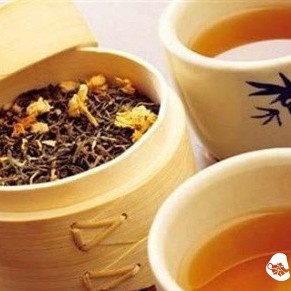
Incorporating tea into daily cooking, specifically by using tea water to cook rice, offers several health benefits rooted in traditional practices. This simple method can help prevent cardiovascular diseases by softening blood vessels and lowering lipid levels. It also aids in preventing digestive t...
Tea News · Mar 12, 2026
The 'Ten Don'ts' of Drinking Tea
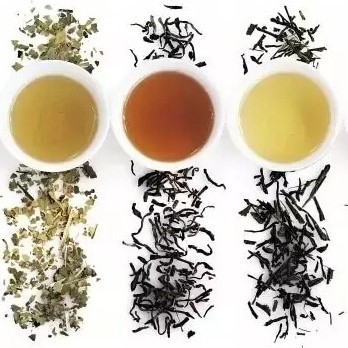
Many people are aware of the numerous benefits of drinking tea. However, it's important to know that improper tea consumption methods can not only negate these benefits but may also be harmful to health. This article outlines ten key situations when one should avoid drinking tea. These include avoid...
Tea News · Mar 12, 2026
Understanding Foods That Conflict with Tea: Don't Let Good Tea Become 'Poison'!
This article explains various food combinations that may negatively interact with tea, potentially affecting health. It details ten common pairings to avoid, such as tea with meat, eggs, medication, seafood like crab, alcohol, and cold drinks. The interactions can lead to issues like constipation, r...
Tea News · Mar 11, 2026
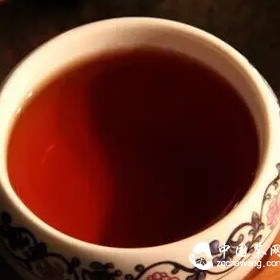
Beauty Pu-erh Tea, The More You Drink, The Healthier You Get
Pu-erh tea is a special type of tea whose processed young leaves improve in flavor and value with age. Regular drinkers know it is excellent for lowering lipids, aiding weight loss, beautifying the skin, reducing blood pressure, and preventing arteriosclerosis. Clinical trials, such as those conduct...
Tea News · Mar 11, 2026

Got Dampness in Your Body? Drink Tea to Flush It Out
In the damp spring season, excess moisture can accumulate in the body, especially for women. Drinking tea is a convenient and effective way to combat dampness, as it promotes diuresis (increased urine production , which helps eliminate excess fluids. Tea also generates body fluids and soothes the th...
Tea News · Mar 11, 2026