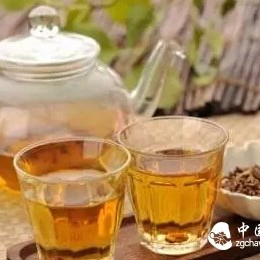
Eight Bad Habits of Drinking Tea for Detoxification and Health Preservation
While tea culture has a long history and drinking tea is believed to help detoxify the body, moisten intestines, and prevent diseases—some even use it for weight loss—it's crucial to be aware of the taboos. Developing bad tea-drinking habits can be detrimental to health. This article summarizes eigh...
Tea News · Mar 11, 2026
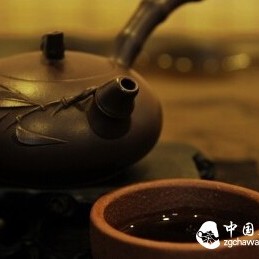
Do You Know That the Optimal Tea Brewing Time Is Sixty Seconds?
Tea enthusiasts often believe that tea should be brewed until it develops color to taste smooth and to fully extract its nutrients. But is this true? Data provides insight. Professor Ma Zhaoli from the Qingdao University Chemical Experiment Center conducted a test using Tieguanyin tea as a sample. B...
Tea News · Mar 10, 2026

Excessive internal heat, inflammation in the body, dental caries, cavities... Drinking more tea is beneficial for all these conditions
Tea contains various antibacterial components, such as alcohols, aldehydes, esters, and phenols, which possess anti-inflammatory and bactericidal properties. Research indicates that tea polyphenols and tea pigments (theaflavins, thearubigins, theabrownins can effectively inhibit inflammatory factor...
Tea News · Mar 10, 2026
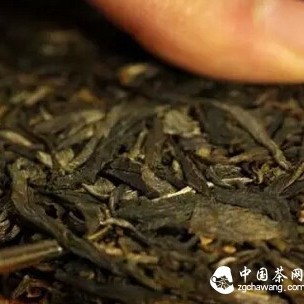
What are the advantages of ancient tree Pu-erh tea?
Ancient tree Pu-erh tea refers to tea made from trees over a hundred years old, primarily found in Yunnan's Xishuangbanna, Lincang, and Pu-erh tea regions. It is highly valued for its ecological cultivation, rich flavor, and aging potential. Grown in fertile soil without chemical fertilizers or pest...
Tea News · Mar 09, 2026

Drinking Three to Four Cups of Tea Daily Lowers Risk of Type 2 Diabetes by 25%
Research suggests that regular tea consumption may help prevent Type 2 diabetes. Studies from the US and Japan indicate that black tea contains compounds that can lower blood sugar levels. A large-scale survey involving 300,000 participants found that individuals who drink three to four cups of tea...
Tea News · Mar 08, 2026
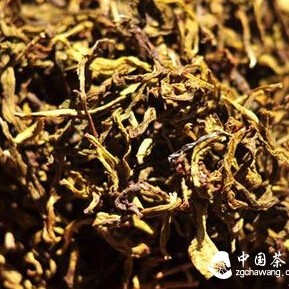
【Wuyi Rock Tea】The Queen of Rock Tea - White Cockscomb
White Cockscomb is a distinctive variety of Wuyi Rock Tea, known for its unique presence and elegance. It is one of the four famous tea bushes of Wuyi Mountain. The tea leaves are pale green with a whitish hue, and the buds are curved and downy, resembling the crest of a white rooster, hence the nam...
Tea News · Mar 07, 2026
Basic Introduction to Song Dynasty Tea
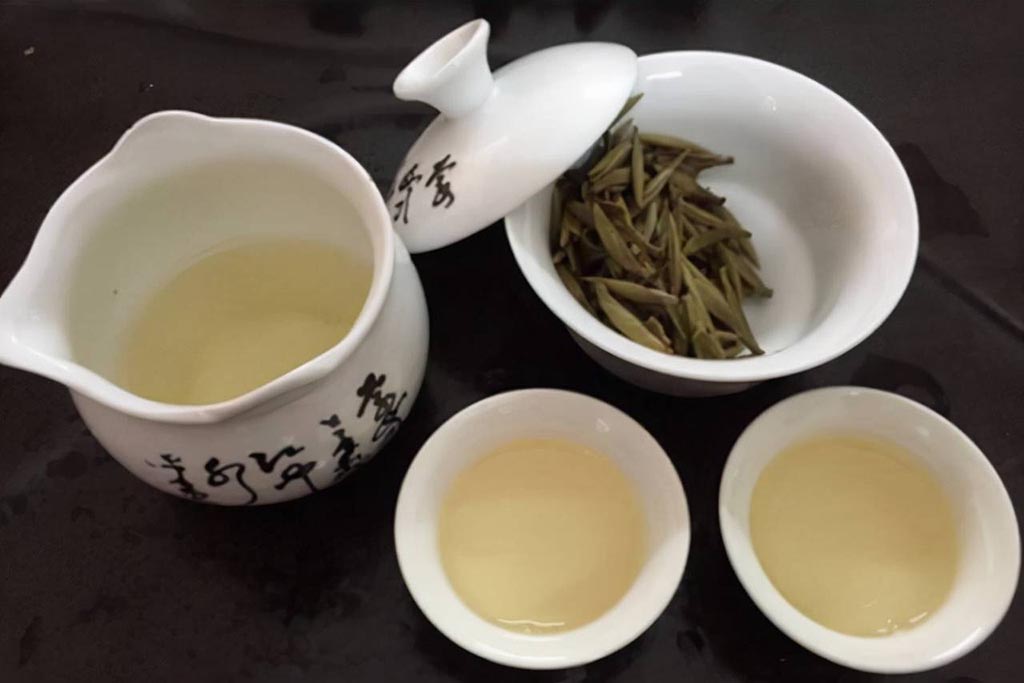
Tea, originating from the era of Shennong and known since the Duke of Zhou, flourished in the Tang Dynasty and reached its peak in the Song Dynasty. The Song era was marked by economic prosperity and a fervent tea culture, making tea an indispensable part of daily life—both as a household staple amo...
Tea News · Mar 07, 2026

Want to lose weight, should you drink green tea or choose Pu-erh tea?
Both green tea and Pu-erh tea are popular choices for weight loss. Green tea contains aromatic compounds that help dissolve fat, vitamins B1 and C, and caffeine that aid digestion and fat burning. Its catechins boost metabolism and reduce fat cell accumulation. It should be consumed half an hour aft...
Tea News · Mar 07, 2026
Explanation of the Differences Between Huoshan Yellow Bud and Green Tea
Huoshan Yellow Bud is a type of yellow tea, not green tea. The key distinction lies in the 'menhuang' (smothering and yellowing process, which breaks down chlorophyll in the leaves and oxidizes phenolic compounds. The degree of oxidation determines the level of yellowing. Techniques vary: some teas...
Tea News · Mar 07, 2026
Eight Reasons for Slightly Turbid Tea Soup Color of Pu-erh Tea
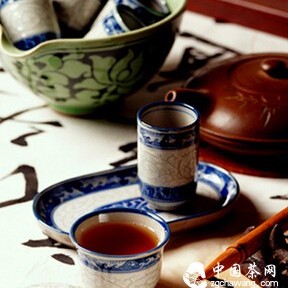
The slightly turbid appearance of Pu-erh tea soup can be attributed to eight main reasons. These include overly vigorous or rapid water pouring during brewing, the tea being in a transitional phase (such as sun-dried green tea aged 1-2 years or baked green tea around 4 years , or newly processed rip...
Tea News · Mar 07, 2026