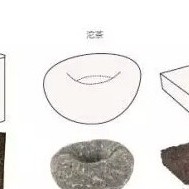
The Value and Preservation of Pu-erh Tea
Pu-erh tea, a fermented tea from Yunnan Province, has gained significant attention for its rising value and health benefits. It is primarily made from large-leaf tea varieties grown in ancient tea mountains at high altitudes. Pu-erh is categorized by shape (cake, brick, tuo, etc. and fermentation p...
Tea News · Feb 26, 2026
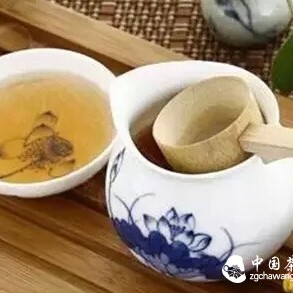
Drinking Tea Has a Solid Basis. Don't Forget Tea's Care When Drunk, Scientific Tea Drinking Is Here
This article provides a scientific guide to drinking tea, especially after social gatherings involving alcohol or during periods of irregular eating habits. It recommends various types of tea for their health benefits. First, it suggests warm, fully-fermented teas like ripe Pu'er or black tea for ai...
Tea News · Feb 25, 2026
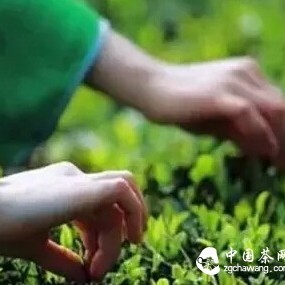
Pre-Qingming? Pre-Grain Rain? Which Spring Light Do You Prefer?
As Qingming Festival approaches, the season for new spring tea arrives. Tea enthusiasts often debate: is Pre-Qingming tea or Pre-Grain Rain tea superior? 'Pre-Qingming tea' refers to leaves harvested before the Qingming Festival, known for their tenderness, while 'Pre-Grain Rain tea' is picked betwe...
Tea News · Feb 25, 2026

The 'Tea Character' of Pu-erh Tea
Pu-erh tea is known for its mild and gentle character, which is non-irritating to the stomach, making it suitable for modern lifestyles often marked by stress and irregular diets. It is a scientifically-backed health beverage, recognized for its potential cancer-preventive properties and benefits in...
Tea News · Feb 25, 2026
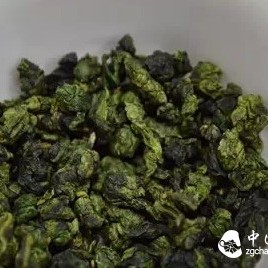
How to Store Anxi Tieguanyin New Tea
Anxi Tieguanyin spring tea is about to hit the market after the May Day holiday. For tea enthusiasts who acquire high-quality tea, proper storage is crucial to prevent spoilage. This article shares key methods for preserving new Anxi Tieguanyin tea. The primary principles are to keep the tea dry and...
Tea News · Feb 24, 2026
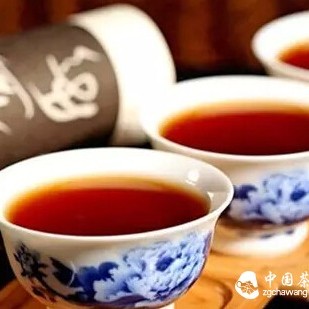
9 Principles of Drinking Tea You Must Remember!!
Tea drinking is an indispensable lifestyle for modern people, but it cannot be consumed carelessly. If certain methods are not observed, it may not only fail to provide benefits but also adversely affect our health. This article outlines nine key principles for drinking tea correctly. These include...
Tea News · Feb 24, 2026
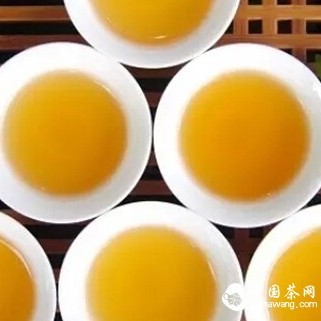
Why is Tea Soup Fresh, Sweet, Bitter, and Astringent?
When drinking tea, our sensitive tongue quickly conveys the flavors of the tea soup to the brain, leading to feelings of satisfaction or enjoyment. But what substances are responsible for these tastes? The flavors in tea soup can be categorized into: sugars, amino acids, phenolic compounds and their...
Tea News · Feb 24, 2026
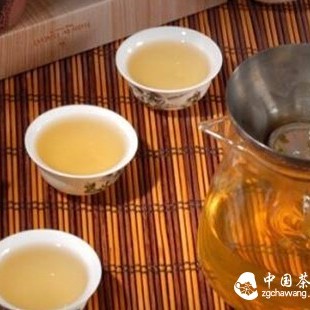
Analysis of the Reasons for Rinsing Tea When Brewing Oolong Tea
When brewing Oolong tea, the first infusion is commonly discarded in a practice known as 'rinsing tea.' This article explores the key reasons behind this step. Firstly, rinsing helps remove any dust or impurities that may have adhered to the tea leaves during processing. Secondly, it serves to 'awak...
Tea News · Feb 24, 2026

The Seven Flavors of Life: Firewood, Rice, Oil, Salt, Sauce, Vinegar, Tea
This poetic reflection uses the seven daily essentials—firewood, rice, oil, salt, sauce, vinegar, and tea—as metaphors for the multifaceted experiences of life and love. Firewood symbolizes warmth and hope, while rice represents the choice between material sustenance and emotional fulfillment. Oil e...
Tea News · Feb 23, 2026
How to Experience "Tea Qi"
The concept of "Tea Qi" or tea energy is a subtle, often personal experience discussed among tea enthusiasts. It refers to the perceived energy or vital force emanating from high-quality tea, manifesting through various physical sensations. The author describes their first conscious encounter with T...
Tea News · Feb 23, 2026