
China's Seven Major Tea Categories
China is the homeland of tea, and its seven major tea categories are classified based on the degree of fermentation: green tea (unfermented , yellow tea (lightly fermented , oolong tea (semi-fermented , black tea (fully fermented , dark tea (post-fermented , white tea (mildly fermented , and reproce...
Tea News · May 16, 2026
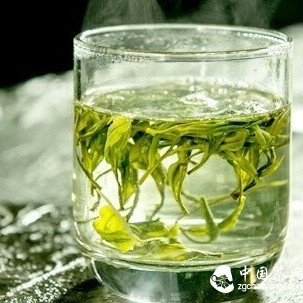
Green Tea Will Become the Latest Anti-Cancer Drug
Green tea has long been at the top of the list of cancer-preventing foods. A recent study from Singapore suggests that beneficial substances in green tea can be refined into anti-cancer drugs, offering better tumor-fighting effects with fewer side effects. Researchers found that combining tea polyph...
Tea News · May 14, 2026
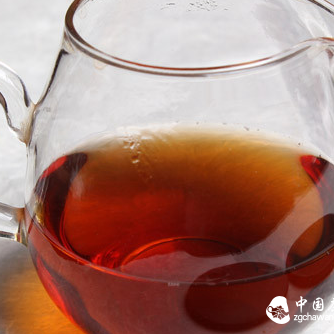
Tea Brewing Isn't That Hard! A Simple and Practical Tea Brewing Guide
Although tea is listed last in the saying "firewood, rice, oil, salt, sauce, vinegar, and tea," many people can't do without it. How to brew tea for better taste? Depending on the type of tea, the brewing method varies slightly. Green tea is best brewed with water at 80–85°C and consumed immediately...
Tea News · May 11, 2026
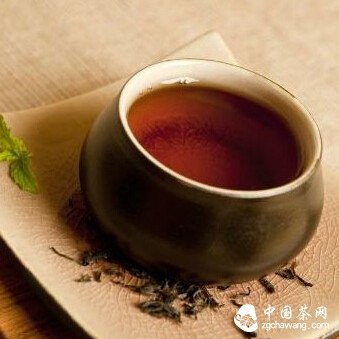
Choose Four Types of Tea for Health in Winter
Drinking tea is a long-standing tradition in China, especially in winter. Each type of tea has its own characteristics and different effects on our health. Drinking tea in winter offers many benefits. This article introduces four kinds of tea suitable for winter: red tea to prevent flu, green tea to...
Tea News · May 09, 2026
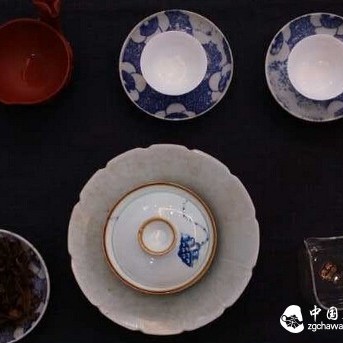
Lu'an Melon Seed Tea: The Most Complex Green Tea
Lu'an Melon Seed Tea is unique among teas because it is made only from leaves, with no buds or stems. Its harvesting period is limited to about ten days around Grain Rain, and its processing is extremely complex, spanning a full week. The skill of roasting is crucial, as one degree of aging makes it...
Tea News · May 08, 2026
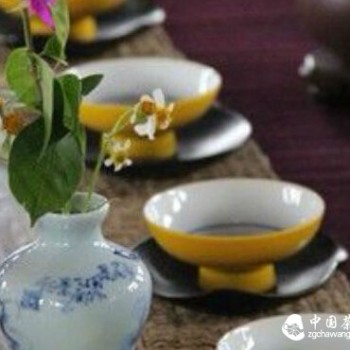
Winter Tea Drinking Has Its Nuances, Did You Know?
Many people have heard of the concept of stomach-nourishing tea. However, when it comes to the knowledge about tea and health, most people only have a superficial understanding and have not truly grasped the relationship between tea and health. People with different body constitutions should choose...
Tea News · May 01, 2026

Drinking Tea to Prevent Cancer? You Must Choose the Right Method
Many people believe drinking more tea is beneficial for health and helps prevent cancer. However, if tea is consumed improperly, it may backfire. Tea is rich in natural antioxidants like tea polyphenols, with green tea containing five times more of these compounds. While studies show tea can reduce...
Tea News · Apr 27, 2026
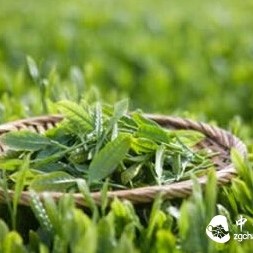
Different Ways to Drink Green Tea and Oolong Tea
This article introduces the different brewing and drinking methods of green tea and oolong tea. Green tea is usually brewed in transparent glass cups to appreciate the leaves, while oolong tea, especially in Fujian and Guangdong, is brewed with a complete set of small utensils called the "Four Treas...
Tea News · Apr 25, 2026
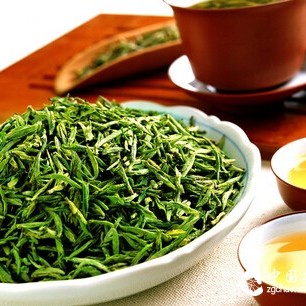
Six Basic Tea Categories in China
Chinese tea is primarily classified into six basic categories based on processing techniques: Green Tea, Black Tea, Oolong Tea (also known as Blue Tea , White Tea, Yellow Tea, and Dark Tea. Each category has distinct characteristics and sub-varieties. For example, Green Tea includes famous types lik...
Tea News · Apr 20, 2026
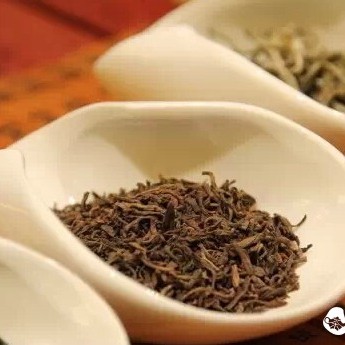
For a Healthy Body, Tea is a Must! A Guide to the Health Benefits of Six Major Tea Types, Making Tea Selection Easy
Choosing the right tea for yourself and your family can be guided by understanding the distinct health benefits of each major tea type. Green tea, being non-fermented, is rich in catechins and vitamins, offering benefits like cancer prevention and cardiovascular health, and is considered cooling, id...
Tea News · Apr 18, 2026