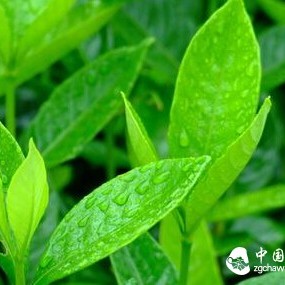
Chemical Composition of Tea
Tea contains various chemical substances, including amino acids, carbohydrates, trace elements, caffeine, and tea polyphenols, which constitute the unique color and flavor of tea. During processing, the moisture content is reduced from about 75% to approximately 3%. In the fermentation (oxidation s...
Tea News · Apr 11, 2026
Attention, Don't Drink These 10 Types of Tea!
Tea is a traditional beverage in China, enjoyed by many for its nutritional benefits and refreshing properties. However, for the sake of health, there are ten types of tea that should be avoided. These include spoiled tea, which contains harmful substances; the first brew, which may wash off contami...
Tea News · Apr 05, 2026
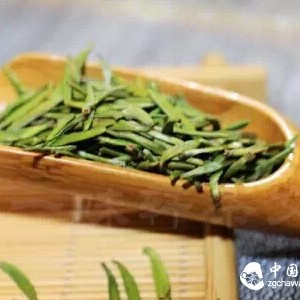
How is green tea made?
Green tea is produced through a process that primarily involves three steps: kill-green (deactivating enzymes , rolling, and drying. The drying method significantly influences the final characteristics of the tea. Sun-dried tea results in loose, dark leaves with a fresh, floral aroma. Pan-fired (or...
Tea News · Apr 01, 2026

Stop Being Willful! Five Wrong Tea Brewing Methods You Should Change Now
Tea is China's national drink and a common beverage in daily life. However, many people may not brew tea correctly, often sticking to improper methods. This article summarizes five common mistakes in tea brewing: 1 Brewing tea too strong, which over-extracts caffeine and tannins, irritating the sto...
Tea News · Mar 31, 2026
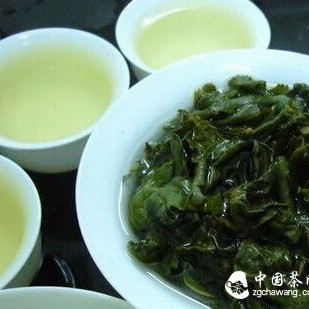
What kind of tea is Tieguanyin? Do you like to drink it?
Tieguanyin is a famous Chinese oolong tea originating from Anxi County, Fujian Province. It is semi-fermented, positioned between green and black tea, combining the freshness of green tea with the mellow sweetness of black tea. Renowned for its unique 'Guanyin Rhyme' and natural orchid aroma, it off...
Tea News · Mar 30, 2026
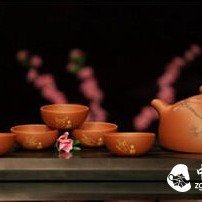
Come and see what tea suits you?
Tea is considered an excellent 'antidote' to various toxins, with different types suitable for different groups of people. During the hot summer, tea serves as a great beverage for preventing heatstroke and quenching thirst. It is also an affordable remedy against toxins like alcohol, nicotine, exha...
Tea News · Mar 30, 2026
Which teas are better for weight loss?
Many people seek to lose weight by drinking tea. While various teas are often promoted for weight loss, Oolong tea (including traditional Tieguanyin is particularly recommended due to its unique properties. It helps reduce hunger, may decrease sleepiness, and contains tannic acid that aids in fat b...
Tea News · Mar 29, 2026
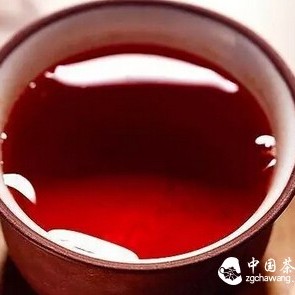
Drink tea every day, do you know the "soft gold" in black tea?
The article discusses a trend in black tea preferences, shifting from the traditional 'three reds' (red leaves, red soup, red base towards black teas with an orange-yellow liquor color. This change is largely attributed to a key compound called theaflavin. Theaflavin is a golden-yellow pigment form...
Tea News · Mar 25, 2026
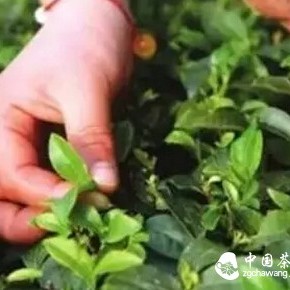
Spring is here, here's how to 'brew' green tea
With spring's arrival, fresh green tea is hitting the market. While the common recommendation is to brew green tea in a glass cup for visual appreciation, this method lacks control over two critical factors: steeping temperature and infusion time. Over-steeping often leads to a bitter, astringent br...
Tea News · Mar 18, 2026
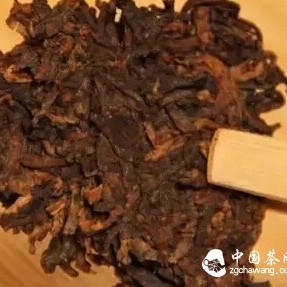
Is it better to drink raw tea or ripe tea?
The choice between raw and ripe Pu-erh tea depends on personal preference and health goals. Ripe tea, which undergoes fermentation, is believed to have enhanced health benefits due to beneficial bacteria, making it suitable for purposes like weight management and blood pressure regulation. It offers...
Tea News · Mar 16, 2026