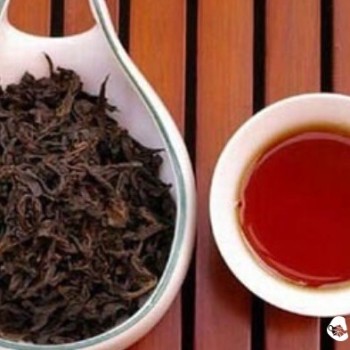
How Much Do You Know About the 20 True and False Legends of Tea?
Tea has a long history and many legends surrounding it, some true and some false. This article debunks 20 common tea myths, such as whether the foam on tea is harmful, whether strong tea can relieve hangovers, and whether pure Pu'er tea is unblended. It reveals the scientific truths behind these cla...
Tea News · May 01, 2026
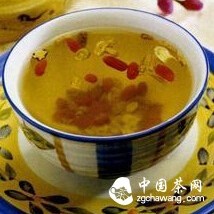
Nine Types of Tea for Effective Health Prevention
Tea has excellent health benefits. Since its discovery and use, tea and tea therapy have been important parts of wellness in China. Using tea as a base, adding one or more ingredients to brew can achieve health preservation, disease prevention, and therapeutic purposes....
Tea News · Apr 30, 2026

Drinking Tea to Prevent Cancer? You Must Choose the Right Method
Many people believe drinking more tea is beneficial for health and helps prevent cancer. However, if tea is consumed improperly, it may backfire. Tea is rich in natural antioxidants like tea polyphenols, with green tea containing five times more of these compounds. While studies show tea can reduce...
Tea News · Apr 27, 2026
Pu-erh Tea Paste
Pu-erh tea paste is a high-grade solid instant tea produced by processing and fermenting the large-leaf tea varieties native to Yunnan, then separating the fibrous material from the tea juice through a special method, and finally reprocessing the extracted tea juice. Its origins can be traced back t...
Tea News · Apr 22, 2026
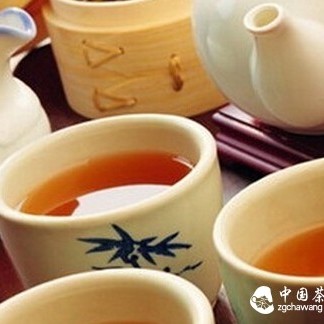
The Longer Black Tea Steeps, the More Beneficial It Is for Health
Different countries have unique interpretations of the profound tea culture. A recent article in the American magazine "Prevention" cited research suggesting that the longer black tea steeps, the more beneficial it is for health, as extended steeping allows more health-promoting flavonoids to dissol...
Tea News · Apr 22, 2026
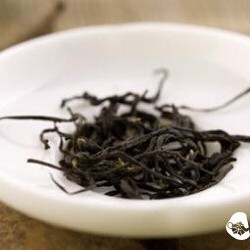
Do You Know the Five Key Points of Drinking Tea?
Tea drinking is an art with many nuances. This article outlines five essential considerations: first, brewing a good pot requires attention to tea leaves, water, temperature, time, and utensils. Second, tea is not suitable for everyone; individuals with certain health conditions like insomnia, heart...
Tea News · Apr 22, 2026
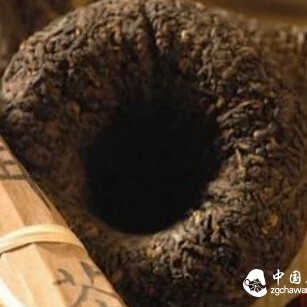
Which is better, pure material tea or blended tea?
Blending is a crucial process in the refinement of almost all teas, not just Pu'er tea. It involves mixing tea leaves from different origins, qualities, or different sieve grades from the same origin according to a specific formula. This technique balances strengths and weaknesses, highlights advant...
Tea News · Apr 22, 2026
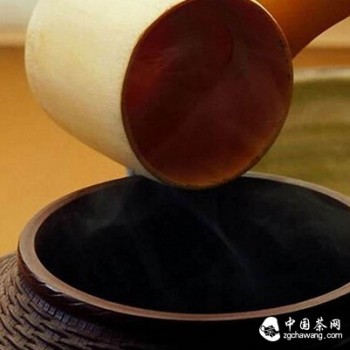
How to Drink Tea for Better Health
Tea is not just a beverage but a culture and art form that reflects local traditions. Drinking tea can be a healthy practice when chosen appropriately for one's lifestyle and physical condition. For instance, office workers or students who frequently use their brains or stay up late are advised to d...
Tea News · Apr 21, 2026
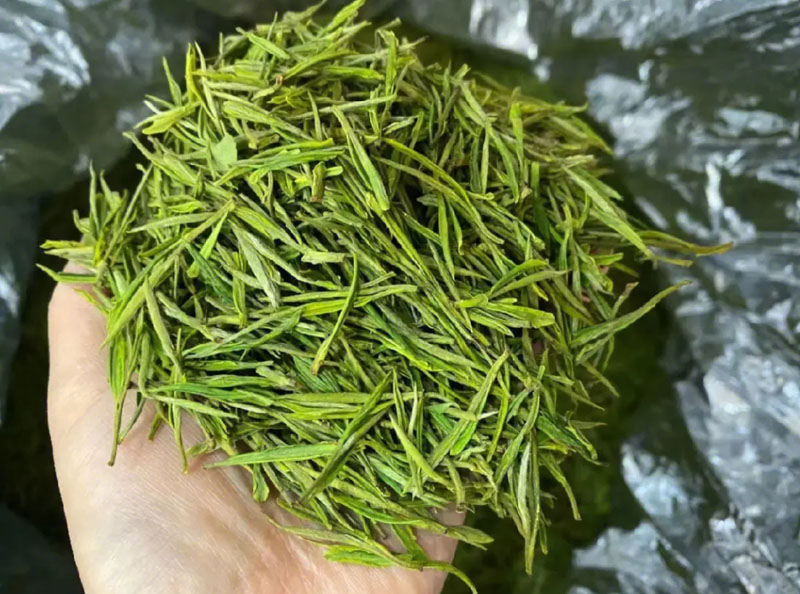
How is Pu-erh Tea Paste Produced?
In recent years, Pu-erh tea has seen a dramatic surge in value and popularity as a collector's item. At an auction in Guangdong, a mere 3-gram piece of dark purple Pu-erh tea paste sold for a staggering 12,000 yuan, stunning the tea world. This particular tea paste was once part of a collection owne...
Tea News · Apr 21, 2026
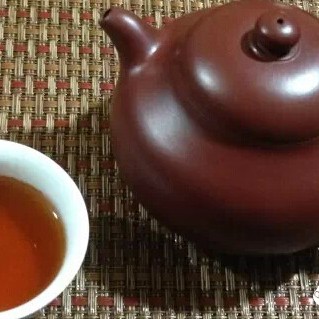
Tea drinkers should know how to choose a teapot according to the tea!
Choosing the right teapot for a specific tea is an essential skill for tea enthusiasts, requiring practice and exploration. The process involves matching the teapot to the tea to enhance the brewing experience and the tea's flavor. Key considerations include the teapot's shape, capacity, craftsmansh...
Tea News · Apr 21, 2026